

As Netflix completes ten years of operations in India, senior executives of the global streaming platform say the market has emerged as a critical pillar in its international growth strategy, driven by local storytelling, a widening content slate and sustained investment in technology and partnerships.
Ted Sarandos, co-CEO of Netflix, said the company has broadened access in India by diversifying its plans and pricing, while maintaining its premium brand positioning.
“We have expanded our pricing and product options to make Netflix accessible to more people, without moving away from being premium,” Sarandos said.
He noted that while Netflix’s overarching strategy is simple in principle, its execution remains complex. “We’ve had to continually innovate and evolve our user experience, recommendations, plans and pricing, payments infrastructure and distribution partnerships across the globe. So, while our strategy of focus and continuous improvement is simple, the execution is not easy,” he said.
Sarandos added that competition has only sharpened the company’s approach. “We embrace change and relish and thrive on competition as it pushes us to improve our service even faster for our members.”
A ‘thali’ of content for diverse audiences
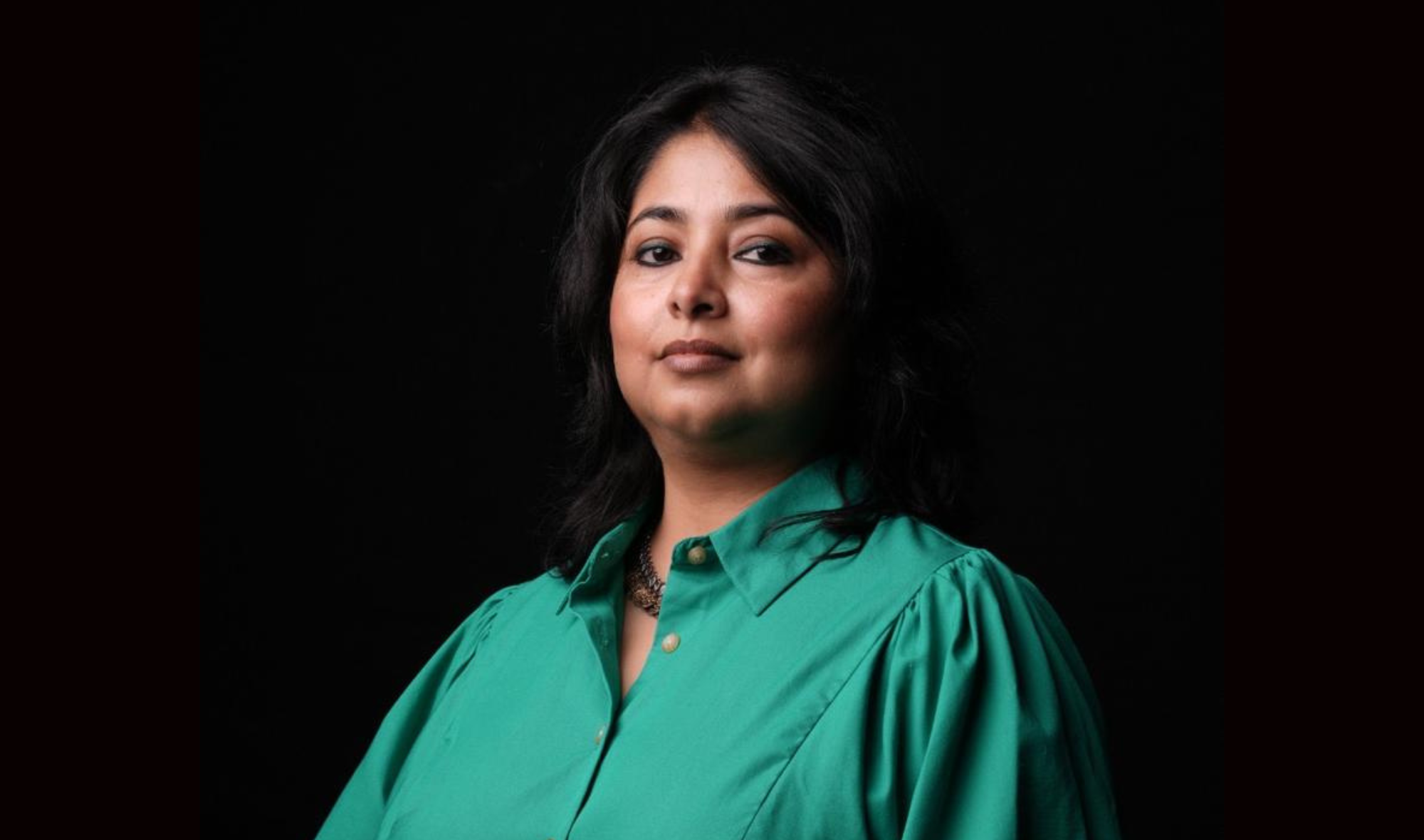
Monika Shergill, vice president – Content, Netflix India, described the platform’s programming strategy as a balanced mix designed to appeal to India’s diverse viewing preferences.
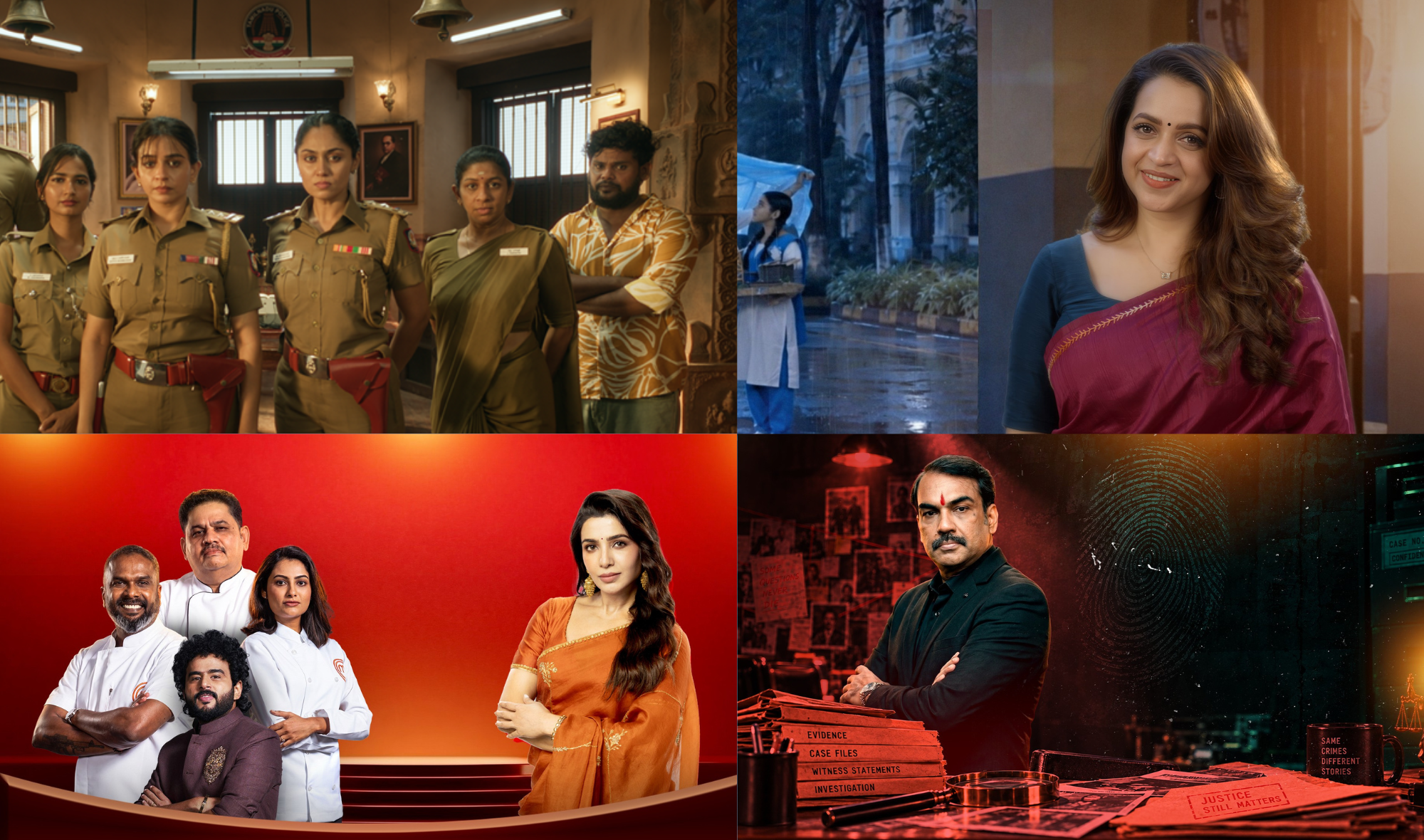
“Our slate is like a thali,” she said. “We make premium soaps and movies and the biggest cinemas stream on Netflix. We will remain the home of the big and bold, we are also the home of relatables such as The Great Indian Kapil Show, Single Papa and The Ba**ds of Bollywood*. We are programming for the broadest audiences.”
According to Shergill, Netflix aims to balance quality with speed and scale. “We stand for quality and volume. Bringing content to consumers quickly is just as important. To move fast, deliver quality projects, and do it at a certain scale and velocity, we have to spend more,” she said.
She added that Netflix has not diluted its creative benchmarks. “For us the benchmark is as true as it was when we started. We have not left that big cinematic benchmark that Sacred Games or Delhi Crime established. We have added more relatable wide-audience programming, casual entertainment.”
Local stories on a global platform
Bela Bajaria, Netflix’s chief content officer, underlined the importance of authentic local storytelling within the company’s global content ecosystem.
“It’s very important that you have creators and amazing stories from the world and you allow them this space to tell a very specific, local authentic story,” she said. “If you’re sitting in Mumbai, Madrid, or Mexico City, you can click on Netflix and find your local show or you can scroll over. You can watch Money Heist, Amar Singh Chamkila, or Stranger Things.”
Bajaria said India plays a decisive role in Netflix’s global ambitions. “If our ambition is to entertain the world, you definitely cannot entertain the world without having incredible local stories from India and in multiple Indian languages.”
Engagement before monetisation
Sarandos said Netflix’s business model is built around viewer engagement, which in turn supports both subscription and advertising revenue.
“Our goal is to offer a wide variety of quality series, films and games that our members love,” he said. “This in turn drives engagement on Netflix and when people watch more and love what they watch, they stick around longer, recommend Netflix to others and place a higher value on our service.”
He added, “We monetize this engagement through both subscription and advertising revenue. So, it’s all about providing great entertainment to our members, that’s how we grow the business.”
Reflecting on the company’s international expansion, Sarandos said Netflix had invested heavily in building creative ecosystems worldwide. “We’ve had to build the people, partnerships, and infrastructure to produce series and films in over 50 countries in many different languages. We’ve learned how to create and nurture big franchises like Stranger Things, Squid Game, and Bridgerton.”
How Netflix’s India strategy evolved
Shergill said Netflix’s early years in India were marked by a narrower content focus.
“We were not programming for the South, we used to have original series and films but no non-fiction. We didn't have licensed play; we were buying small prestige award-winning titles, and the service was designed for the set of audiences who knew about Netflix global service,” she said.
Over time, the platform pivoted towards lighter and more accessible storytelling. “We did Masaba Masaba and Little Things — which we have taken from YouTube after the first season. That informed people we are interested in lighter stories too,” she said.
Shergill added that acquiring Kota Factory after its first season proved pivotal. “That’s one of our most successful franchises. We also commissioned Mismatched.”
Partnering creators and opening doors
On working with the creative community, Shergill said Netflix prioritises transparency and knowledge-sharing.
“We shared the Netflix bible openly. There is a core belief in every market we work that we are here to partner with the creative ecosystem, we are here to enable everyone to actually know what the best practices are,” she said.
Responding to criticism that the platform favours established names, she said, “I challenge anybody who says that Netflix India doesn't give a chance to new creators. We know if we don’t have new voices, we are not going to be able to delight or surprise our audiences.”
She added that Netflix’s role is to support, not control, creative vision. “We can only help them in technical aspects or help them to reach wider audiences.”
Long-term bet on Indian languages
Bajaria said Netflix has consistently viewed India as a long-term growth market, particularly across regional languages.
“The focus was always to continue to invest and not to pull back,” she said. “Even in India, I was like Tamil and Telugu are great markets. They have amazing movies and TV shows. We know people love those, so let's continue to expand.”
Looking ahead, she added, “We are barely scratching the surface of even doing different languages from the South. There is still so much room to continue to grow.”