

For decades, diamonds in India were synonymous with special occasions—safely stored in lockers and brought out for weddings, anniversaries or family milestones. That pattern is now changing, driven by younger consumers and evolving ideas around self-purchase and personal style.
Digital-first jewellery brands such as Giva, Palmonas, CaratLane and Bluestone have played a key role in this shift, training a new generation to view jewellery not as an heirloom but as an everyday accessory—impulse-friendly, mood-driven and suitable for regular wear.
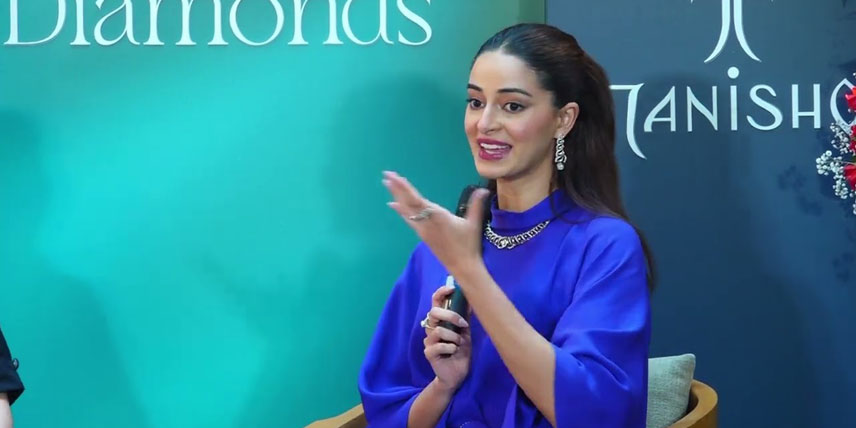
It is within this changing consumer landscape that Tanishq, one of India’s largest jewellery retailers, is stepping up its focus on everyday natural diamond jewellery. The brand has revived its annual Festival of Diamonds and appointed actor Ananya Panday as its new face, underlining a simple message: diamonds no longer need to wait for weddings.
‘Gone are the days of lockers’
“Gone are the days when jewellery was meant to be put in lockers,” said Pelki Tshering, chief marketing officer, Tanishq, during an interaction around the campaign.
According to Tshering, consumers today are increasingly drawn to what she describes as “everyday luxury”—jewellery that is versatile, easy to layer and expressive, rather than reserved only for ceremonial use.
This change is evident in contemporary styling patterns. Earrings now transition easily between Western and ethnic outfits, while rings, earcuffs and neckpieces are layered to create personalised looks. The market has also seen a rise in unisex designs, reflecting a broader cultural move away from rigid gender definitions.
Festival of Diamonds expands its canvas
Tanishq’s Festival of Diamonds, one of its largest annual retail properties, has been designed to capitalise on this behaviour shift.
This year, the company is showcasing over 10,000 natural diamond designs across categories including studs, hoops, rings, bracelets, bangles and neckwear. Entry price points begin at Rs 10,000, along with a flat 20% discount on diamond value, making the category more accessible to first-time and younger buyers.
Why Ananya Panday
Contrary to traditional celebrity endorsement strategies, Tanishq says its partnerships begin with the consumer rather than the star.
“We don’t start with the celebrity first,” Tshering said. “We start with the customer at the heart of it.”
In the brand’s view, the modern Indian woman is not merely a muse but the embodiment of the brand itself. The celebrity’s role, she added, is to articulate stories the brand is already seeking to tell.
That positioning made Ananya Panday a natural choice to represent the idea of everyday diamonds—centred on spontaneity, comfort and self-expression rather than grandeur.
The Festival of Diamonds campaign film, built around the line “Give wings to the girl within,” reflects this narrative. It portrays Panday rediscovering childlike joy through contemporary diamond jewellery, reinforcing the idea that diamonds need not be reserved for milestone moments.
Natural versus lab-grown diamonds
As lab-grown diamonds gain popularity among value-conscious and first-time buyers, Tanishq has drawn a clear distinction between the two segments.
While acknowledging rising interest in alternatives, Tshering stressed that natural diamonds continue to hold strong emotional and symbolic significance as rare assets associated with memories and life events.
India, she noted, currently has only 10–12% penetration in natural diamond ownership, suggesting substantial growth potential even as lab-grown formats coexist in the market.
Trust as a strategic advantage
Beyond product variety and pricing, Tanishq is also sharpening its focus on trust—long considered its strongest competitive advantage in a category where concerns around authenticity remain common.
As part of the Festival of Diamonds, the brand is highlighting its in-store Diamond Expertise Centres, an extension of its earlier “carat meter” initiative introduced decades ago to test gold purity.
These centres allow customers to verify diamond authenticity and evaluate light performance, shifting the conversation beyond the traditional four Cs of cut, clarity, colour and carat.
“What we’re saying is go beyond the 4Cs, right up to ‘diamond ki sparkle hai’,” Tshering said, pointing to light performance as a more experiential way for consumers to judge value.
A digital-first discovery journey
Although jewellery purchases in India remain largely offline, the path to buying has become increasingly digital.
“Jewellery is an emotion. It’s an experience,” Tshering said, explaining why physical stores still dominate final transactions. However, she noted that discovery, education and consideration are now happening predominantly online.
This behavioural change has reshaped Tanishq’s media mix. While television and print continue to play a role—especially for large, rational-led campaigns such as exchange offers—digital platforms are now central to storytelling and engagement.
Tshering said the brand’s digital spends across performance marketing, social media and OTT platforms have nearly doubled, and in some cases tripled, over time. At the same time, she argued that strict divisions between media types are becoming outdated.
“The line between television and digital is blurring,” she said, citing platforms such as Jiostar as examples of hybrid viewing behaviour.
Influencers are also playing a growing role. While celebrities provide scale and visibility, creators help communicate brand narratives more organically and, in some cases, act as trusted voices when explaining diamond technology or authenticity to younger audiences.