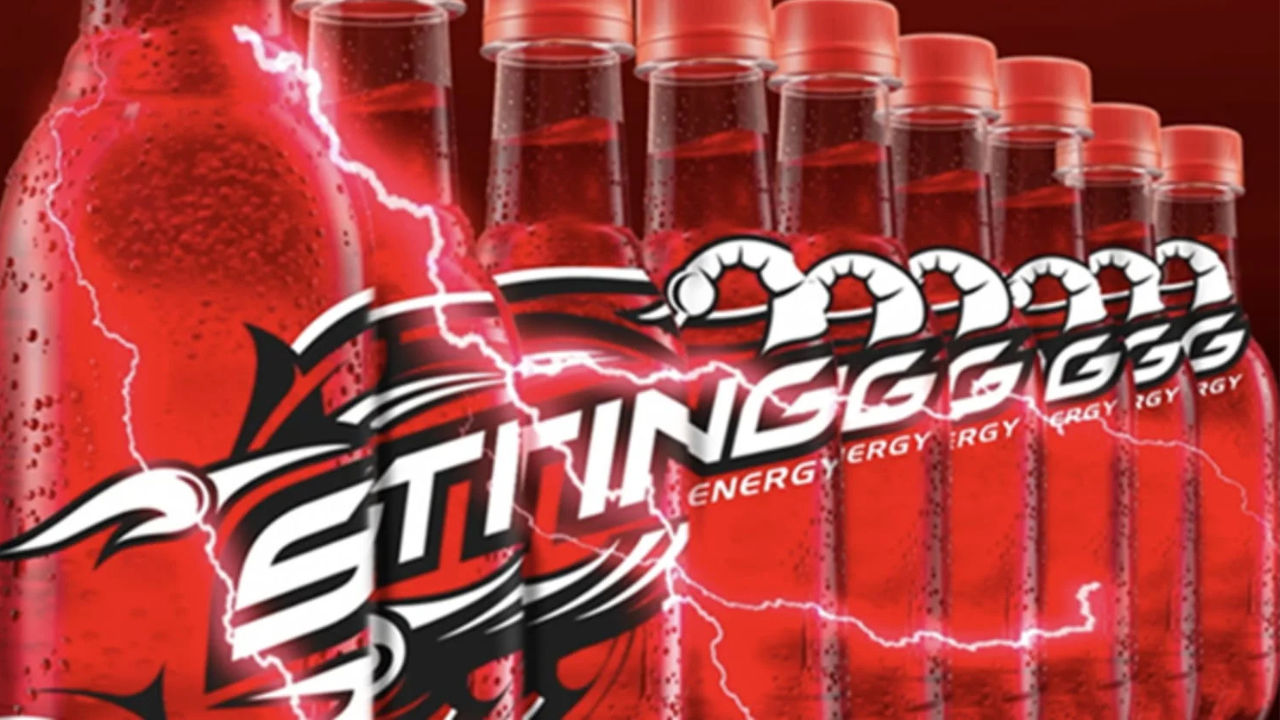


PepsiCo India has begun replacing Sting cans and PET bottles carrying the word “energy” with updated packaging, becoming one of the first major players to align with the Food Safety and Standards Authority of India’s (FSSAI) decision to discontinue “energy drinks” as a recognised product category.
The revised packaging is being rolled out ahead of the regulator’s 90-day compliance window that came into effect on July 1. In contrast, companies including Red Bull, Reliance Consumer Products, Monster and Hell have reportedly approached the government seeking additional time to comply with the new labelling requirements.
The packaging overhaul comes despite PepsiCo’s continued global push to strengthen Sting’s positioning. In 2025, the company signed a five-year global partnership with Formula 1, making Sting the championship’s official energy drink through trackside branding, fan engagement initiatives and other marketing rights.
India’s energy drinks market is estimated to be worth over ₹13,000 crore, with brands collectively spending around ₹2,000 crore each year on advertising and promotional activities. While Red Bull has long dominated the premium segment, Sting broadened the category after its 2017 launch by introducing a ₹20 PET bottle alongside its ₹50 can, making the product more accessible to mass-market consumers.
FSSAI has maintained that it no longer recognises “energy drinks” as a separate food category, stating that claims such as “revitalises body and mind” could mislead consumers.
The regulatory shift has also affected supply chains, with industry executives indicating that distributors have been hesitant to stock products bearing the “energy” label, resulting in limited availability of several brands across retail outlets.