

India has emerged as the most receptive market for personal AI agents in the Asia Pacific region, with 60% of consumers expressing interest in creating their own AI agent, according to Adobe's latest AI and Digital Trends Report.
The global study, based on responses from 7,000 consumers and business leaders, found that Indian consumers are increasingly comfortable letting AI handle interactions with brands. More than half (55%) said they would engage with a brand's AI agent, while 58% were open to AI agents communicating directly with brand systems on their behalf. A further 61% said they would be comfortable allowing an AI agent to interact with a human customer service representative.
AI is also becoming a bigger part of the shopping journey. Around 65% of Indian consumers use AI to discover personalised product recommendations, 60% rely on it for customer support, and 62% are willing to shop through a virtual AI concierge.
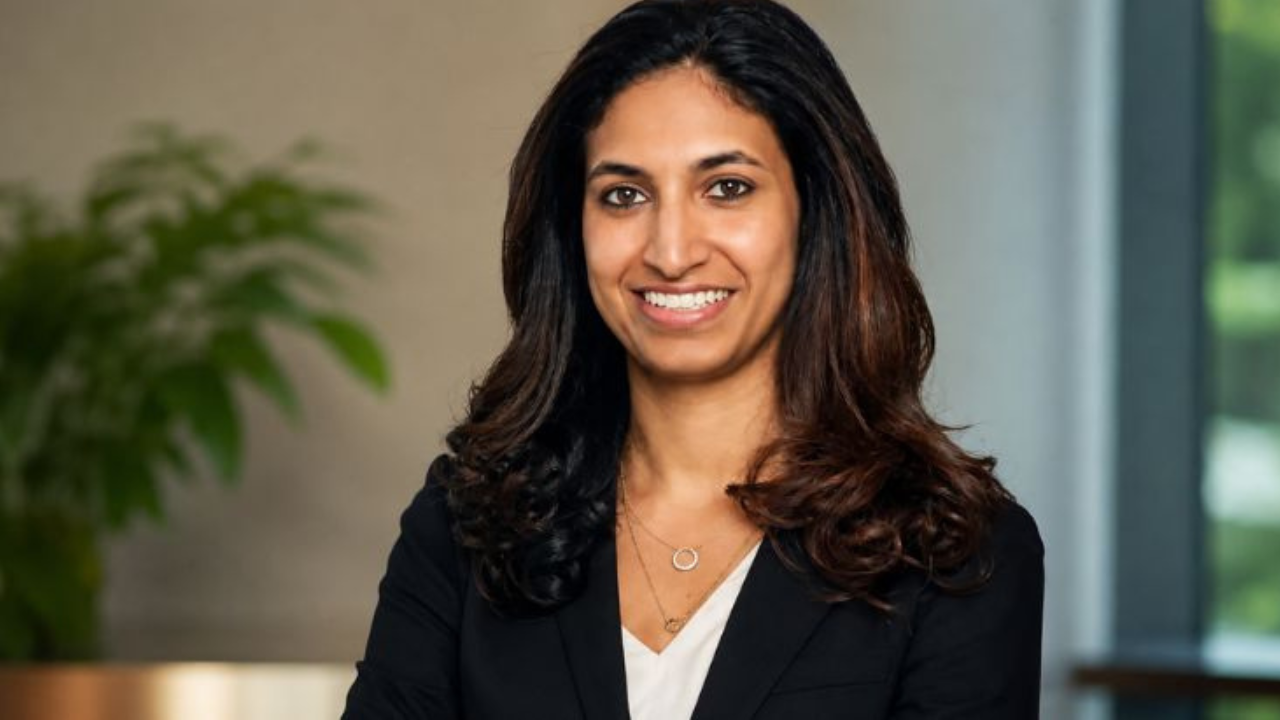
According to Anindita Veluri, Director of Marketing at Adobe India, India's growing acceptance of agentic AI presents brands with an opportunity to deliver more personalised customer experiences. She added that transparency, trust and strong governance would be essential as organisations move from AI experimentation to large-scale deployment.
The report also points to a disconnect between consumer expectations and business priorities. While consumers value transparency, trust and effective problem-solving, many organisations continue to evaluate AI initiatives primarily through efficiency and cost-saving metrics.
Duncan Egan, Vice President of Enterprise Marketing for Asia Pacific and Japan at Adobe, said AI is already influencing how consumers discover brands and is expected to play a much larger role in purchasing decisions. However, he noted that businesses still need stronger data infrastructure and governance frameworks before agentic AI can be deployed at scale.
Trust continues to be a decisive factor in AI adoption. The most common reassurance sought by respondents was clear labelling when AI is being used, followed by the ability to switch to a human representative. While 74% said AI-driven personalisation saves time and 71% described it as convenient, 61% said they would stop engaging with a brand if they realised they had been interacting with AI when they believed they were speaking to a person. Nearly three-quarters also said AI interactions should feel natural rather than robotic.
On the enterprise side, adoption remains at an early stage. Only about one in ten organisations said they had embedded agentic AI into customer support or brand discovery, while even fewer had deployed it at scale for content creation, onboarding or education.
Among Indian business leaders, data integration and quality emerged as the biggest hurdle to AI adoption, followed by talent shortages, uncertainty around return on investment, resistance to organisational change and technology infrastructure challenges.
Despite these barriers, organisations are already seeing benefits from generative AI. More than seven in ten respondents said it had improved the speed and scale of content creation, while two-thirds said it had enabled non-creative teams to produce content more efficiently.