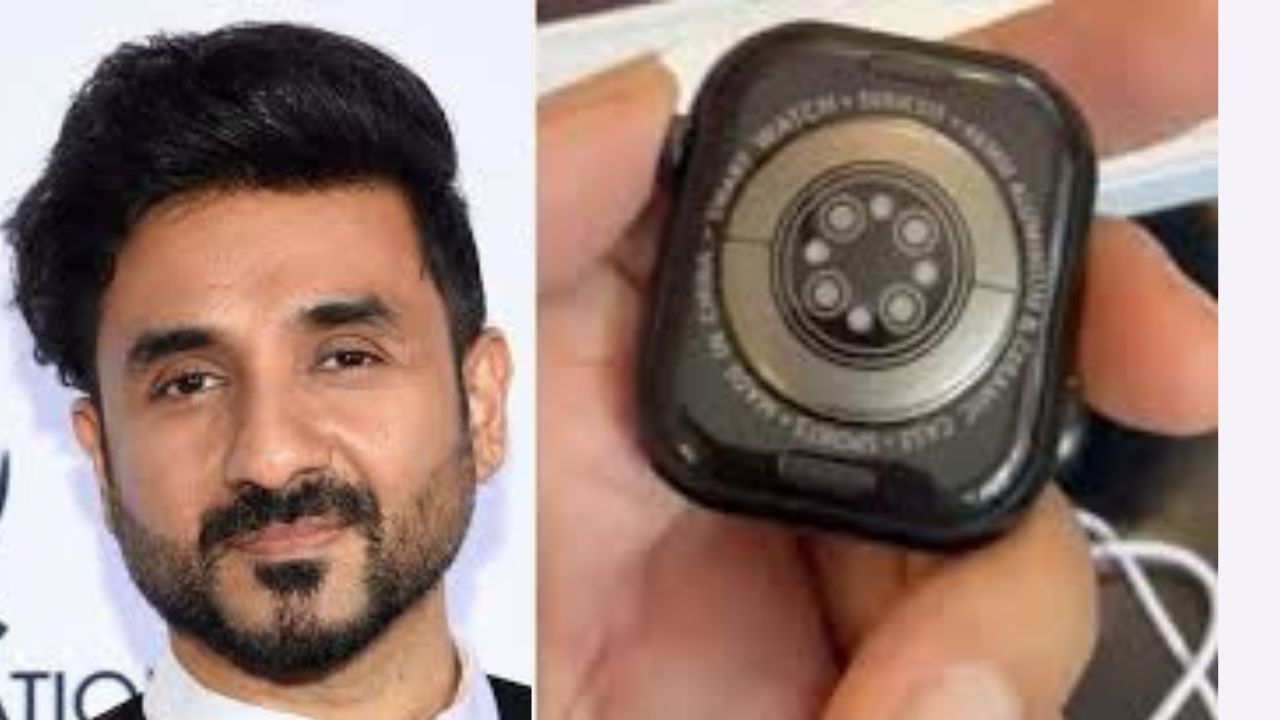


Quick commerce platforms have built their business on speed and convenience, but as they expand into high-value categories such as electronics, questions around trust and quality assurance are coming into sharper focus. The issue was thrust into the spotlight after comedian and actor Vir Das alleged that he received a counterfeit Apple Watch through a quick-commerce order on Zepto.
Das claimed he had ordered an Apple Watch worth around Rs 50,000 for an urgent shoot but instead received what appeared to be a Chinese knock-off. In videos posted on Instagram and X, he highlighted discrepancies in the product and packaging, including the phrase “Designed by Watch in China” in place of Apple's branding and logo.
Calling out the platform, Das wrote, “Okay. Am I wrong, do all Apple Watches look like this or is Zepto being shady with China copies? By the way, their customer device agent on the phone said there’s nothing they could do. Full scam. We needed one quick for a shoot. They charged us 50k.”
The post quickly gained traction on social media, with several users questioning how an allegedly unauthentic premium electronic device could make its way through the platform’s supply chain. Some users also shared similar concerns about electronics purchased through quick-commerce services.
Following the online backlash, Zepto reached out to Das and replaced the product with a genuine Apple Watch. In a subsequent post, the comedian confirmed that the issue had been resolved and clarified that he did not hold the delivery executive responsible.
“I brought it up to your delivery guy. Told him it wasn’t sealed. He asked me to file a complaint. He was in a rush and I don’t think it’s his fault at all,” Das wrote.
Responding to the allegations, Zepto said it had initiated a reverse pickup of the product as part of its standard investigation process.
Quick commerce platforms have built their business on speed and convenience, but as they expand into high-value categories such as electronics, questions around trust and quality assurance are coming into sharper focus. The issue was thrust into the spotlight after comedian and actor Vir Das alleged that he received a counterfeit Apple Watch through a quick-commerce order on Zepto.
Das claimed he had ordered an Apple Watch worth around Rs 50,000 for an urgent shoot but instead received what appeared to be a Chinese knock-off. In videos posted on Instagram and X, he highlighted discrepancies in the product and packaging, including the phrase “Designed by Watch in China” in place of Apple's branding and logo.
Calling out the platform, Das wrote, “Okay. Am I wrong, do all Apple Watches look like this or is Zepto being shady with China copies? By the way, their customer device agent on the phone said there’s nothing they could do. Full scam. We needed one quick for a shoot. They charged us 50k.”
The post quickly gained traction on social media, with several users questioning how an allegedly unauthentic premium electronic device could make its way through the platform’s supply chain. Some users also shared similar concerns about electronics purchased through quick-commerce services.
Following the online backlash, Zepto reached out to Das and replaced the product with a genuine Apple Watch. In a subsequent post, the comedian confirmed that the issue had been resolved and clarified that he did not hold the delivery executive responsible.
“I brought it up to your delivery guy. Told him it wasn’t sealed. He asked me to file a complaint. He was in a rush and I don’t think it’s his fault at all,” Das wrote.
Responding to the allegations, Zepto said it had initiated a reverse pickup of the product as part of its standard investigation process.
“We take such concerns seriously and have already scheduled a reverse pickup of the product, which is our standard process in such cases. This will help us investigate the issue with our brand partners. For high-value products, users receive an OTP at the time of delivery. The OTP should only be shared after checking that the package is properly sealed and in good condition,” the company said.
The company added that it is investigating the matter and will take appropriate action based on its findings. However, it has not yet explained how the allegedly counterfeit product reached the customer in the first place.
While the immediate dispute has been resolved, the episode has reignited concerns around quality control and authenticity in the fast-growing quick-commerce sector. What began as a category focused on groceries and daily essentials has rapidly expanded into premium electronics, smartphones and wearable devices.
As quick-commerce players increasingly compete in high-value product categories, industry observers say the challenge will be balancing the promise of near-instant delivery with the rigorous verification and quality checks traditionally associated with electronics retail. For consumers, the Vir Das episode serves as a reminder that in the race for speed, trust remains just as important as convenience.