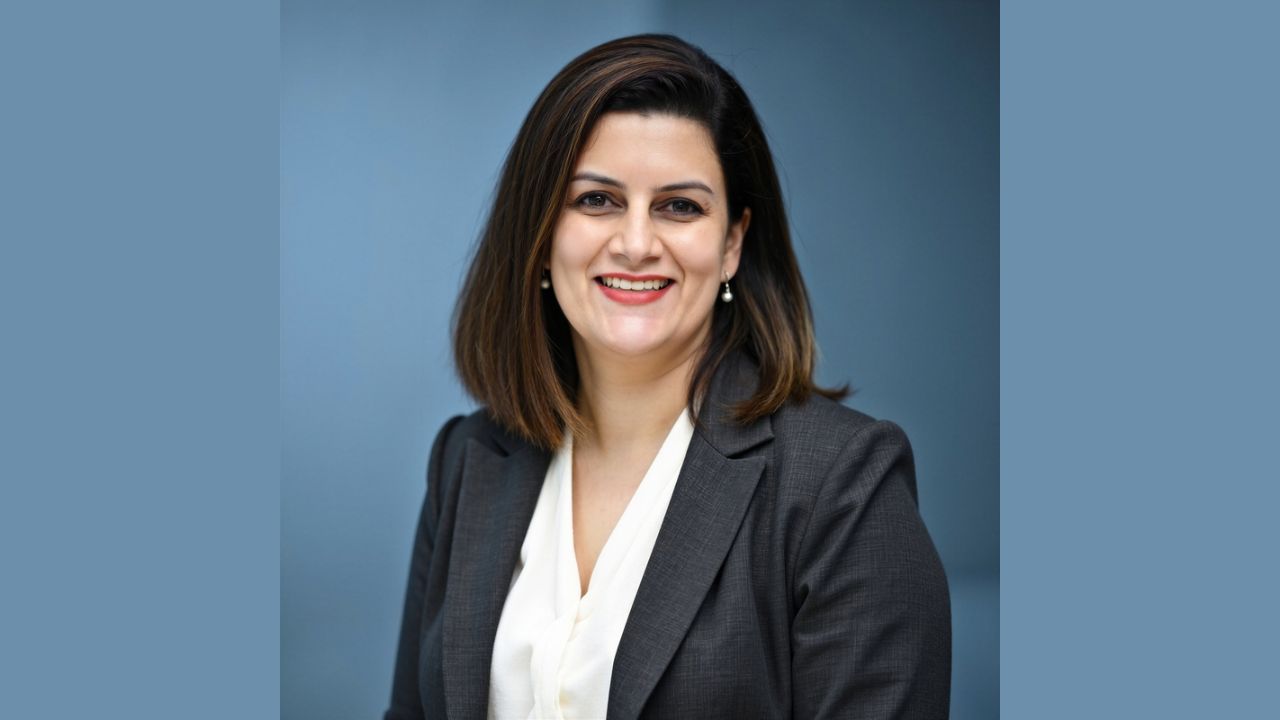


From what he calls “a fortunate accident” to earning a seat at the leadership table of some of the world’s biggest corporations, Varghese M. Thomas has witnessed the evolution of PR from a media-led function to a strategic business driver.
Currently serving as Senior Vice President – Brand, Partnership & Communications at DP World for SCO, Central Asia, Levant and Egypt, Varghese has built a career spanning global brands such as Intel, Cisco, BlackBerry, and TVS Motor Company.
In this conversation, he reflects on the defining moments of his journey, navigating crises across international markets, the changing face of communications in a digital-first world, and why trust, authenticity, and business acumen are becoming central to the future of PR.
Edited Excerpts:
Q: How did your journey in PR begin? Was it a conscious career choice or something you attribute to chance? Did your parents understand and support your decision at the time?
My journey into PR was more by chance than design. Like many in the early days of the profession in India, I didn’t set out with a clear plan to build a career in communications. I started in a role that exposed me to the world of corporate communications, and what began as an experiment gradually turned into a passion.
In the initial years, the profession itself was not very well understood, so naturally there were questions around what PR really meant as a career. However, over time, as I found my footing and began to grow, the support followed. I was fortunate to be mentored by some exceptional leaders in the early stages of my career. Looking back, I would say it was one of those fortunate accidents that shaped my entire professional journey.
Q: What would you consider your defining moment or breakthrough in the industry?
Rather than a single defining moment, my career has been shaped by a series of inflection points that steadily broadened both my perspective and responsibilities. Transitioning from consulting into global corporations such as Intel and Cisco was particularly formative, as it gave me a deeper understanding of the strategic role communications can play in driving business outcomes-not just supporting them.
A key breakthrough came when I began leading communications at a global level. Whether it was managing diverse markets at BlackBerry, or later building and scaling global communications at TVS Motor Company, and now with DP World, these experiences pushed me to navigate complexity across geographies, cultures, and business priorities. They reinforced the importance of aligning communication closely with business strategy, influencing decision-making, and operating as a trusted advisor at the leadership table.
Q: Can you tell us about the toughest phase in your career, and what that period taught you?
Every long career has its share of challenging moments, and for me, some of the toughest phases have been during crisis situations, particularly when navigating regulatory challenges, reputation issues, or business disruptions across global markets.
One key learning from these experiences is the importance of clarity, speed, and credibility. In a crisis, communication goes beyond messaging-it becomes an act of leadership. Staying composed, being transparent, and ensuring stakeholder trust are critical. These moments build resilience and underscore the responsibility that comes with the role.
Another defining learning experience was leading teams through periods of internal strain and uncertainty. It involved fostering a more open and accountable environment while keeping the team aligned, focused, and motivated despite the challenges.
The COVID-19 pandemic, a true black swan event, further tested leadership and communication in unprecedented ways. Managing teams through that period-balancing business continuity with empathy and wellbeing—was deeply instructive. It reinforced the importance of agility, compassion, and consistent communication in keeping teams aligned and resilient during times of profound disruption.
Q: How have you seen PR evolve from when you started to today’s digital-first world? What are some key changes that stand out to you?
The transformation has been significant. When I started, PR was largely media-driven and focused on press coverage. Today, it is far more integrated and strategic.
The rise of digital and social media has fundamentally changed the landscape. Communication is now real-time, multi-channel, and far more democratic. Stakeholders expect transparency, speed, and authenticity.
Another major shift is the use of data and technology-analytics, social listening, and now AI are playing a much bigger role in shaping strategies. The communicator today is not just a storyteller, but also a strategist, analyst, and advisor.
Q: What is one piece of advice you would give to someone just entering the PR industry? And if given the chance, would you still choose a career in PR today?
My advice would be simple: stay curious and keep learning. This is a profession that evolves constantly, so adaptability is essential. Build a strong foundation in writing and storytelling, but go beyond that - develop a solid understanding of business, technology, and data, as communications today sits at the intersection of all three.
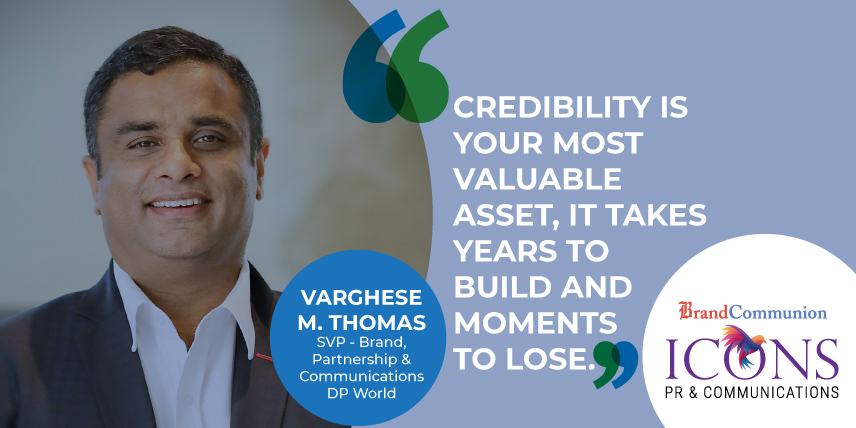
Equally important is integrity-credibility is your most valuable asset in this field. It takes years to build and moments to lose, so being honest, consistent, and thoughtful in what you communicate is critical.
I would also add that strong listening skills and the ability to simplify complexity will set you apart. The best communicators are those who can translate strategy into clear, compelling narratives that resonate with diverse stakeholders.
And yes, if I had the choice again, I would absolutely choose PR. It is a dynamic, challenging, and deeply rewarding profession that gives you a front-row seat to how organizations think, act, and grow and the opportunity to shape those narratives in meaningful ways.
Q: What is one common misconception about PR that you would like to correct?
One of the biggest misconceptions is that PR is only about media relations or managing perception. In reality, it is far more strategic and deeply embedded in business decision-making.
PR today is about building trust, shaping reputation, and enabling tangible business outcomes. It involves advising leadership, managing diverse stakeholders, and navigating complex, often high-stakes situations. It is not just about visibility-it is about credibility, influence, and long-term impact on the organisation’s success.
Q: Where do you see the PR industry heading in the next five years?
The PR industry will continue to become more strategic and deeply integrated with core business functions. Communication is no longer a support function, it is increasingly central to shaping business outcomes, reputation, and stakeholder trust. Technology will play an even bigger role, with AI and data analytics enabling more personalized, real-time, and predictive communication strategies. This will allow communicators to move from reactive storytelling to proactive narrative building backed by insights.
At the same time, the importance of trust and authenticity will only grow. In an era of misinformation and heightened scrutiny, organizations will depend more on credible, transparent, and consistent communication. The ability to build and protect trust across multiple stakeholders—customers, employees, regulators, and communities-will be a defining priority.
I also see communicators taking on a larger role as strategic advisors to leadership-helping shape not just how companies communicate, but how they behave, make decisions, and engage with society. This includes playing a key role in areas such as ESG, crisis preparedness, and internal culture. As the landscape evolves, the function will demand a blend of creativity, analytical thinking, and business acumen, making it both more complex and more impactful than ever before.
Q: If your PR journey had a headline, what would it be?
A Fortunate Accident to the Leadership Table