

Great careers in PR aren’t built overnight, they’re shaped by instinct, resilience, and an ability to read the room before the room even knows what it feels.
At Brand Communion, we set out to spotlight such journeys through our Icons 2026, leaders who haven’t just grown with the industry but have quietly influenced where it’s headed.
If you haven’t explored the list yet:
https://www.brandcommunion.com/pr-and-communication/brandcommunion-icons-2026-celebrating-the-pillars-of-indias-pr-industry
This series goes beyond titles and recognition to uncover the real stories of how it all began, the risks that paid off (and the ones that didn’t), and the turning points that defined their trajectory. It’s an honest look at what it takes to stay relevant in an industry that thrives on constant change.
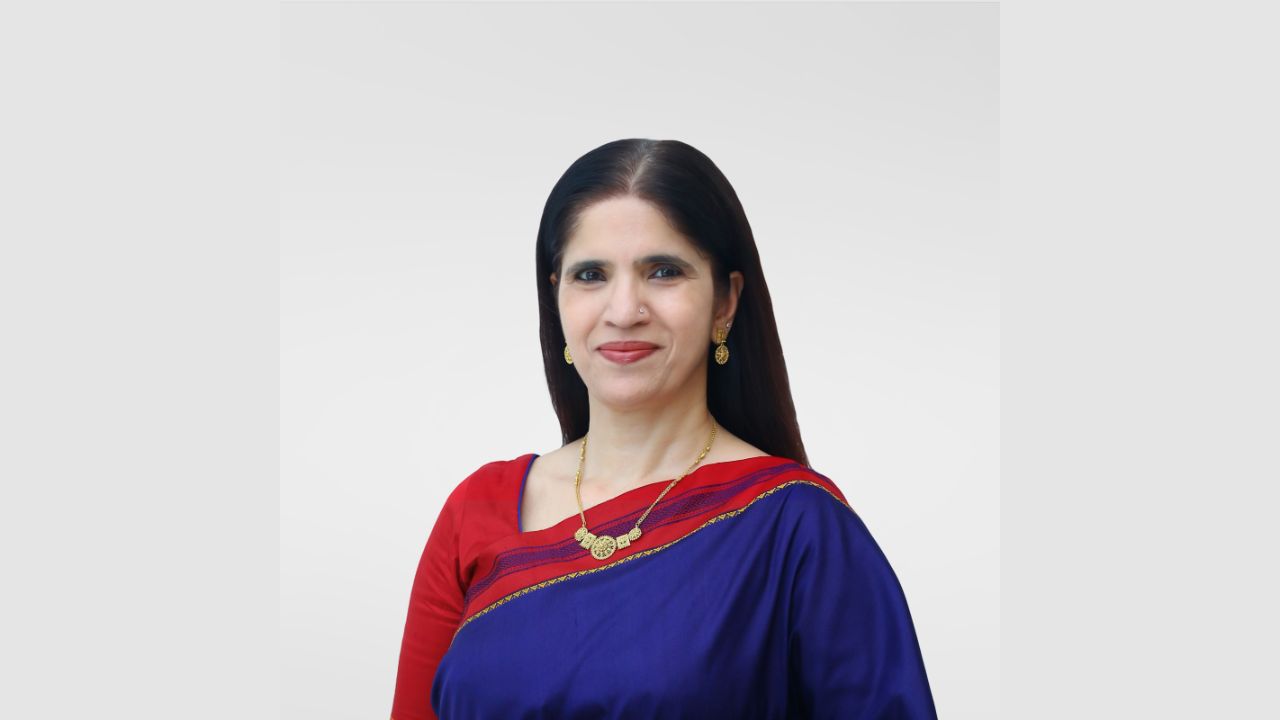
In this conversation, Amrit Ahuja, Communication Consultant, dives into her early days in PR, the moments that shaped her thinking, and the decisions that helped her stand out in a rapidly evolving landscape.
Edited Excerpts:
Q: How did your journey in PR begin? Was it a conscious career choice or something you attribute to chance? Did your parents understand and support your decision at the time?
I was an outlier in the 80s. While most of my peers followed conventional paths, I chose a post-graduate diploma in Advertising and PR, inspired by a chance meeting with a PR Officer at ONGC. At 19, I was struck by her confidence navigating a male-dominated space with authority and strategic clarity.
My parents were sceptical, like many at the time who saw Civil Services as the only stable career. But my elder brother stood by me, recognizing the potential of the communications industry and shielding my ambitions so I could focus on my internship at an ad agency.
Q: What would you consider your defining moment or breakthrough in the industry?
There have been several breakthrough moments but I think it was the head start that I got by starting my career with Zee Telefilms when satellite television was being launched in the country.
I had the opportunity to build a category, be a spokesperson for the channel and the fun part was meeting a lot of TV and film actors.
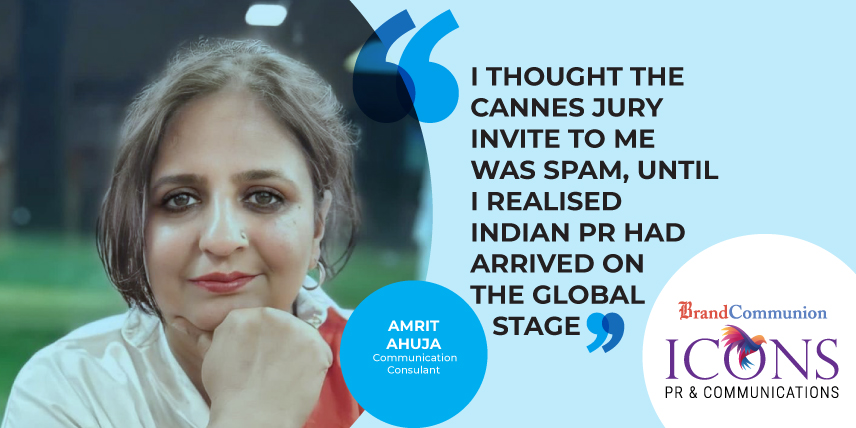
The biggest breakthrough of course was to be selected as a jury member for Cannes in 2016 which were early days for Indian PR to be on a global stage. I was just invited out of the blue, so much so that I thought it was a spam email till there were follow up mails and conversations.
Q: Can you tell us about the toughest phase in your career, and what that period taught you?
The most challenging period was my transition from a "doer" to a leader. As the fourth employee at 20:20 Media (now 2020 MSL), I was at the epicenter of India’s technology boom.
We scaled rapidly, securing mandates for the world’s biggest tech giants, and I was the lead on most of them.
However, scaling a business requires a different skill set than executing a campaign. I realized that being a high-performer didn't automatically make me a high-impact manager. The "growth pain" was real.
It wasn't until I worked with a coach that I learned how to move away from the tactical and toward the strategic learning to manage complex client expectations, lead diverse teams, and scale business operations effectively.
Q: How have you seen PR evolve from when you started to today’s digital-first world? What are some key changes that stand out to you?
The tools have evolved from typewriters to AI, but the core remains the same: credibility is your only currency. Whether launching a satellite channel or a startup, without trust, there is no story.
The shift to digital-first has transformed PR from a media gamble into a measurable, data-driven function with greater control over narratives. Today, communications teams are no longer siloed, they are strategic extensions of marketing, driving real engagement.
Team structures have also evolved. What was once a one- or two-person role is now a specialized ecosystem. Protecting a brand requires a mix of digital experts, creators, policy managers, and crisis specialists. As seen with players like IndiGo and Air India, reputation can erode quickly without strong leadership and planning. In today’s landscape, PR isn’t just about sending releases, it's about managing a complex, multi-layered machine.
Q: What is one piece of advice you would give to someone just entering the PR industry? And if given the chance, would you still choose a career in PR today?
Someone entering the PR industry, start off your journey with a good PR firm and get exposure across clients and industries till you find your sweet spot which could be to work in an agency or move inhouse.
Q: What is one common misconception about PR that you would like to correct?
One misconception about PR and reputation management is still not seen as a serious partner like a Chartered Accountant or a Legal Manager or Government relations.
Q: Where do you see the PR industry heading in the next five years?
The PR industry is set for double-digit growth, but the real story is in its transformation. We are moving toward hyper-specialization. In the next five years, seasoned PR professionals will transcend traditional roles to become indispensable strategic advisors and 'reputation consultants' directly to the C-suite."
Q: If your PR journey had a headline, what would it be?
“Narrating the Revolution: Decades of Disrupting the PR Status Quo."