

Three months into 2026, an interesting leadership trend is beginning to emerge in the corporate and startup ecosystem: founders and CEOs stepping away from operational roles to explore new ventures, experimental ideas, or transition their companies toward more professional management structures.
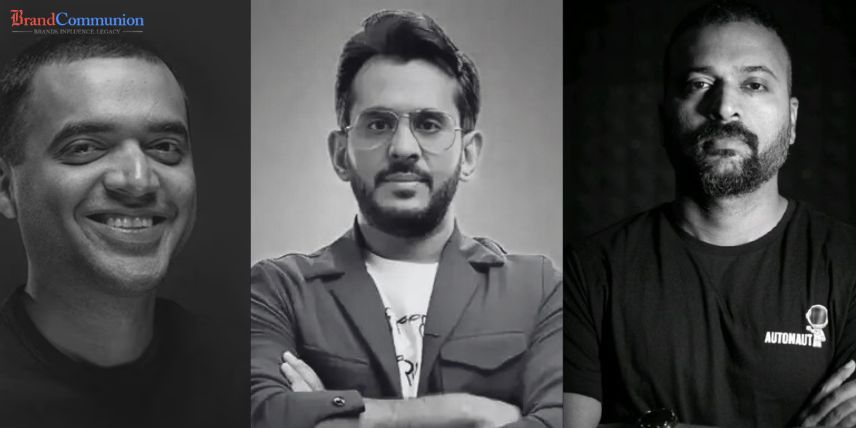
One of the most notable examples is Deepinder Goyal. In January 2026, Goyal announced that he would step down as CEO of Eternal Group and transition to the role of Vice Chairman. The company named Albinder Dhindsa as the new CEO.
Explaining the move, Goyal said, “Of late, I have found myself drawn to a set of new ideas that involve significantly higher-risk exploration and experimentation. These are the kinds of ideas that are better pursued outside a public company like Eternal.”
While he has not disclosed the exact nature of these experiments, his recent social media posts hint at a growing focus on Temple, a wearable technology startup he is working on. According to reports, Goyal is looking to raise around $50 million for the venture from early investors of Zomato.
He is also expected to personally lead a new funding round in Pixxel by investing approximately $25 million. Beyond these ventures, Goyal is already involved in several ambitious projects. He runs Continue, a longevity-focused research initiative, and LAT Aerospace, which aims to build aircraft designed for short-duration regional flights.
A similar transition has been seen at boAt. Co-founder Aman Gupta recently announced that he would step away from operational responsibilities at the company while launching a new venture, Offbeat Studios.
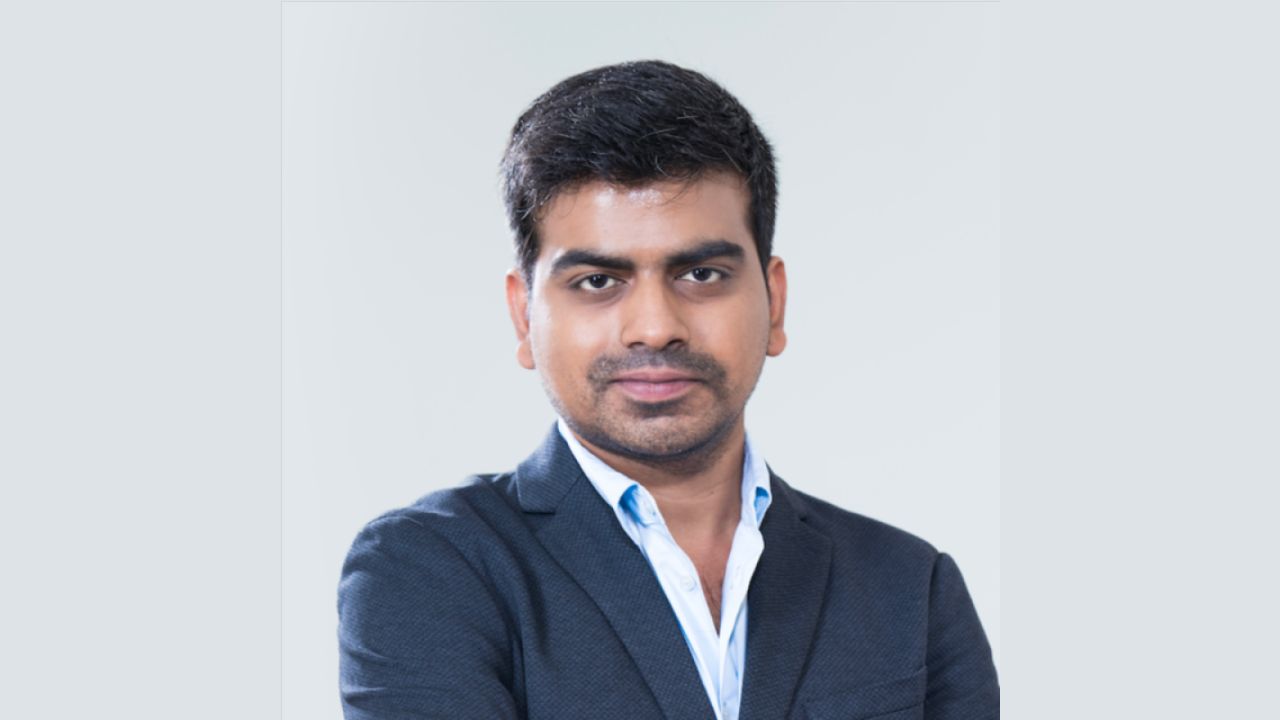
The move comes amid broader leadership changes at the company. In September last year, boAt appointed Gaurav Nayyar as CEO, succeeding co-founder Sameer Mehta, who transitioned to the role of Executive Director.
At the time, the leadership restructuring drew attention as the company was preparing for a potential public listing. The changes raised questions around governance, continuity and execution at a crucial stage of the IPO process. However, in interviews, the founders indicated that the shift was part of a long-term strategy to move away from a founder-led structure toward a professionally managed organisation better suited for life as a public company.
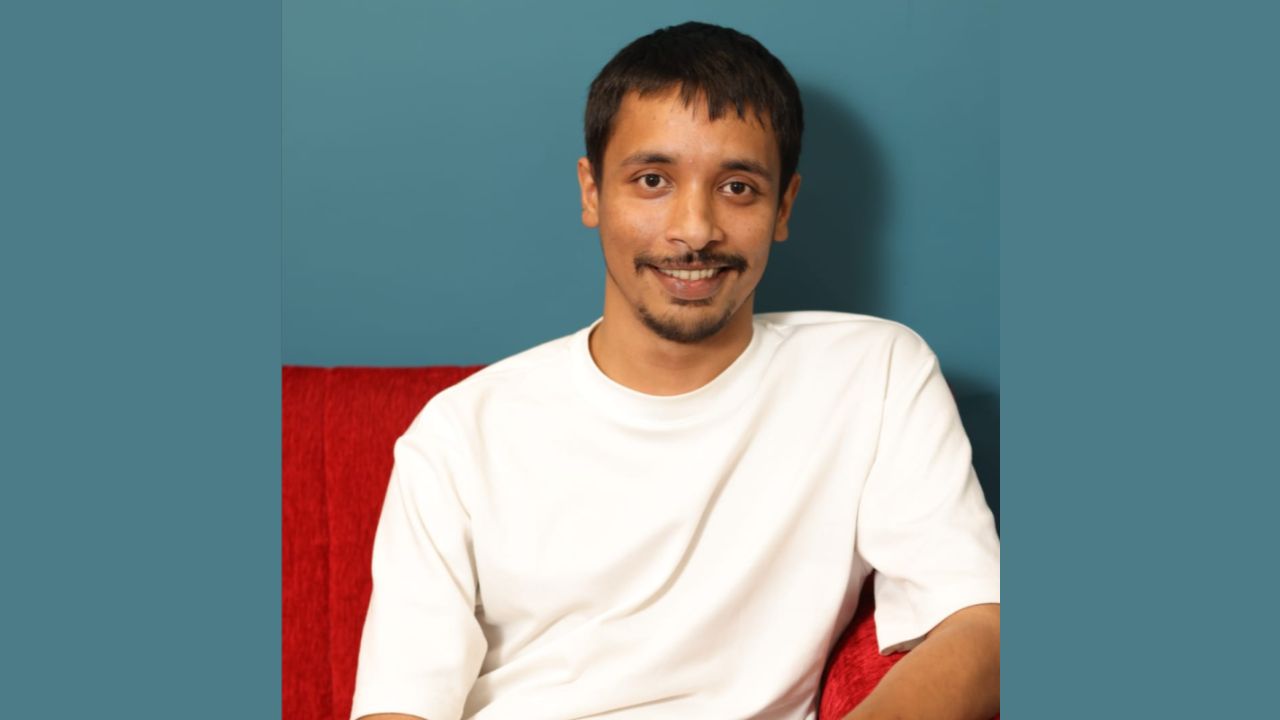
Another example comes from CARS24, which is also preparing for its next phase of growth and a possible public listing. The company’s India CEO Himanshu Ratnoo recently stepped down from his role as the startup reportedly targets an IPO launch within the next six to twelve months.
Following Ratnoo’s exit, CARS24 co-founder and CEO Vikram Chopra will temporarily take charge of the India used-car business.
Ratnoo’s departure comes as the company prepares for a potential public listing. Earlier this year, Chopra had indicated that the startup could explore an initial public offering within the next six to twelve months as it looks to capitalize on India’s rapidly expanding used-car marketplace.
Ratnoo’s departure came as a surprise to many, especially since he had recently become the face of the brand’s advertising campaign built around two key assurances for used-car buyers, a lifetime warranty and a 30-day return policy.
In the campaign films, Himanshu Ratnoo appears on screen, drawing parallels with familiar “family promises”, such as a mother’s promise or a sister’s promise to reinforce the brand’s commitment to trust and reliability for customers.
The campaign marked CARS24’s return to large-scale television advertising after a hiatus of nearly five years and was aired during the ICC Men's T20 World Cup.
Taken together, these leadership transitions point to a broader shift within India’s startup ecosystem. As companies mature and move closer to public markets, founders are increasingly stepping back from day-to-day operations, either to pursue new experimental ventures or to transition their organisations toward professional management structures better suited for long-term scale.
As pre-IPO companies face increasing scrutiny around governance, profitability and investor returns, leadership reshuffles are becoming more common. The trend reflects a broader evolution within the startup ecosystem, where founders are redefining their roles while companies prepare for the demands of public markets.