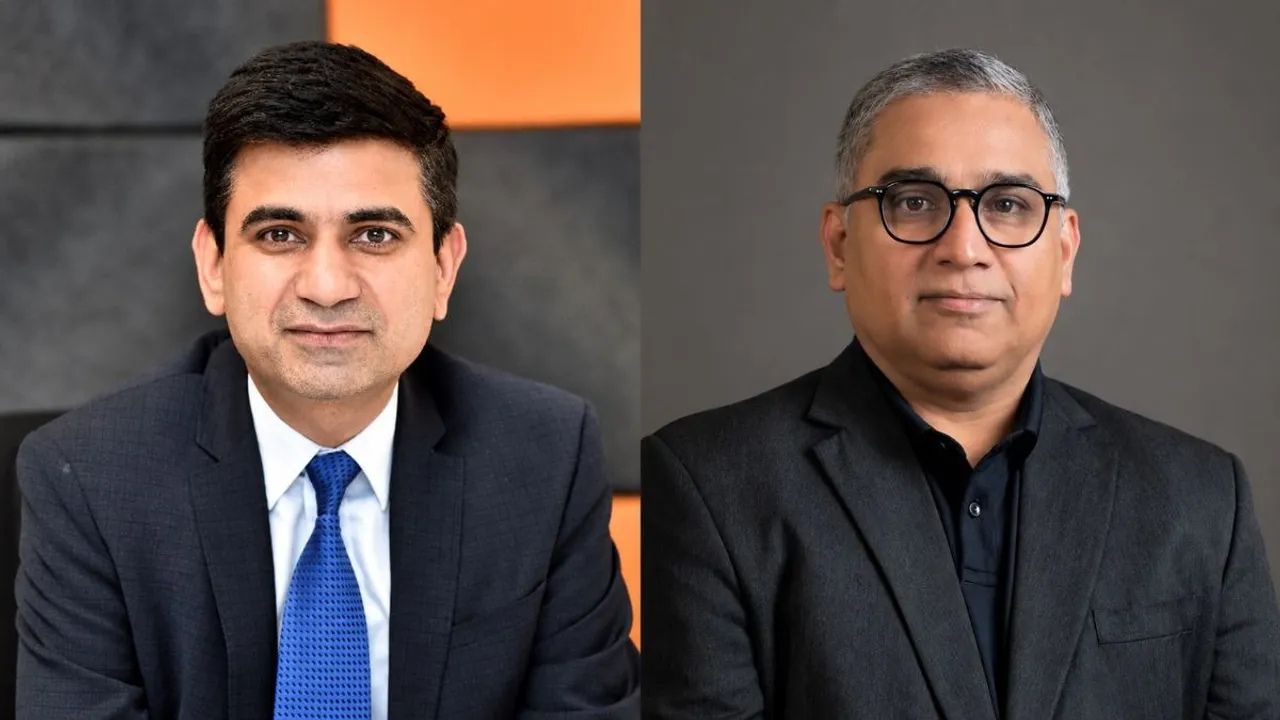


Sony Pictures Networks India (SPNI) has stepped up its focus on regional markets as part of an organisation-wide leadership realignment, placing renewed emphasis on South India amid the rapid rise of regional-language content consumption across television and digital platforms.
Rajaraman Sundaram to Head Southern Strategy
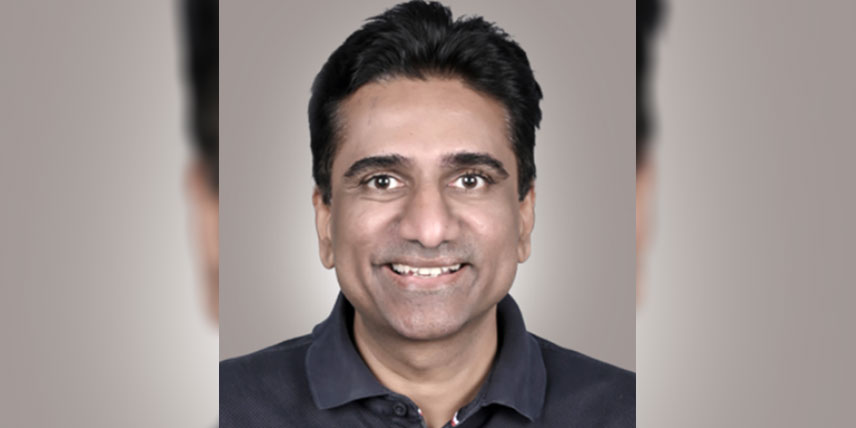
In a key leadership move, Rajaraman Sundaram has been appointed to spearhead SPNI’s regional expansion across South India. In his new role, Sundaram will oversee content strategy, programming direction and market development for southern language audiences, while ensuring close integration between the company’s linear television channels and its digital platforms.
Regional Content Emerges as Growth Engine
The appointment signals SPNI’s intent to position regional entertainment as a central pillar of its broader content-first strategy. By creating focused leadership for the southern markets, the network aims to strengthen cultural relevance, widen audience reach and unlock stronger monetisation opportunities in some of the country’s fastest-growing media markets.
Long-Term Push for Platform-Agnostic Growth
Industry executives say the move reflects SPNI’s long-term commitment to regional storytelling as a driver of scale and engagement in an increasingly fragmented media landscape. With viewers shifting fluidly between television and digital platforms, the company is betting that strong, locally resonant content will play a decisive role in building sustainable, platform-agnostic growth.
The leadership change comes as broadcasters across India intensify investments in regional languages to tap deeper into non-metro audiences and accelerate expansion beyond traditional Hindi and English entertainment segments.