

A jury in Los Angeles has delivered a landmark verdict against Meta and Google, holding them liable for contributing to social media addiction in children and ordering a combined payout of $6 million in damages.
The case was brought by a now 20-year-old plaintiff, Kaley, who sued the companies in 2023, alleging that early exposure to Instagram and YouTube led to severe mental health issues, including anxiety, depression, and body dysmorphia. She claimed she began using YouTube at the age of six and Instagram at nine, with little to no effective age verification safeguards in place.
After a three-year legal battle, the jury concluded that both companies had deliberately designed their platforms to be addictive and failed to adequately warn young users of potential harm. Kaley was awarded $3 million in compensatory damages and $3 million in punitive damages. As per the ruling, Meta will bear 70% of the financial penalty, while Google will account for the remaining 30%.
The lawsuit had initially also named Snapchat and TikTok, but both companies settled with the plaintiff outside of court for undisclosed amounts.
During the trial, Kaley testified that excessive use of these platforms led her to withdraw from family interactions and develop mental health challenges at a young age. The role of appearance-altering filters was also highlighted as a contributing factor to body image issues. The case drew further attention when Instagram head Adam Mosseri declined to categorise prolonged usage—up to 16 hours a day—as “addiction,” instead describing it as “problematic.”
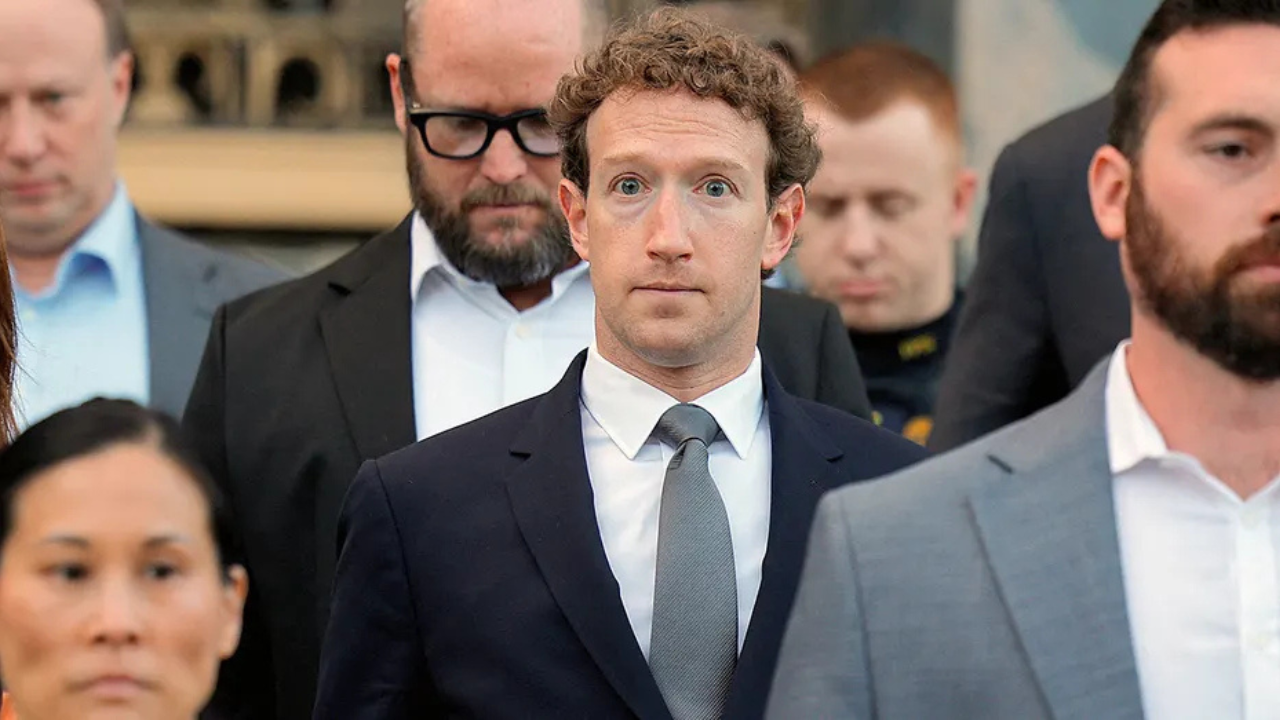
The jury ultimately determined that the companies acted with “malice, oppression, or fraud.” Both Meta and Google have announced plans to appeal the decision, maintaining that teen mental health is complex and cannot be attributed to a single platform. Meta CEO Mark Zuckerberg also testified, pointing to existing policies that restrict users under 13, while acknowledging challenges in enforcement.
The ruling comes amid increasing global scrutiny of social media’s impact on young users. Countries like Australia and United Kingdom are already exploring stricter age-based regulations. In India, Union IT Minister Ashwini Vaishnaw has confirmed ongoing discussions around graded restrictions for different age groups, rather than a blanket ban.
At the state level, Karnataka is considering a ban on social media use for children under 16, while Andhra Pradesh is evaluating similar restrictions for those under 13.
Legal experts suggest the verdict could set a precedent for hundreds of similar cases currently pending in U.S. courts, potentially reshaping how tech companies design and regulate platforms for younger audiences.