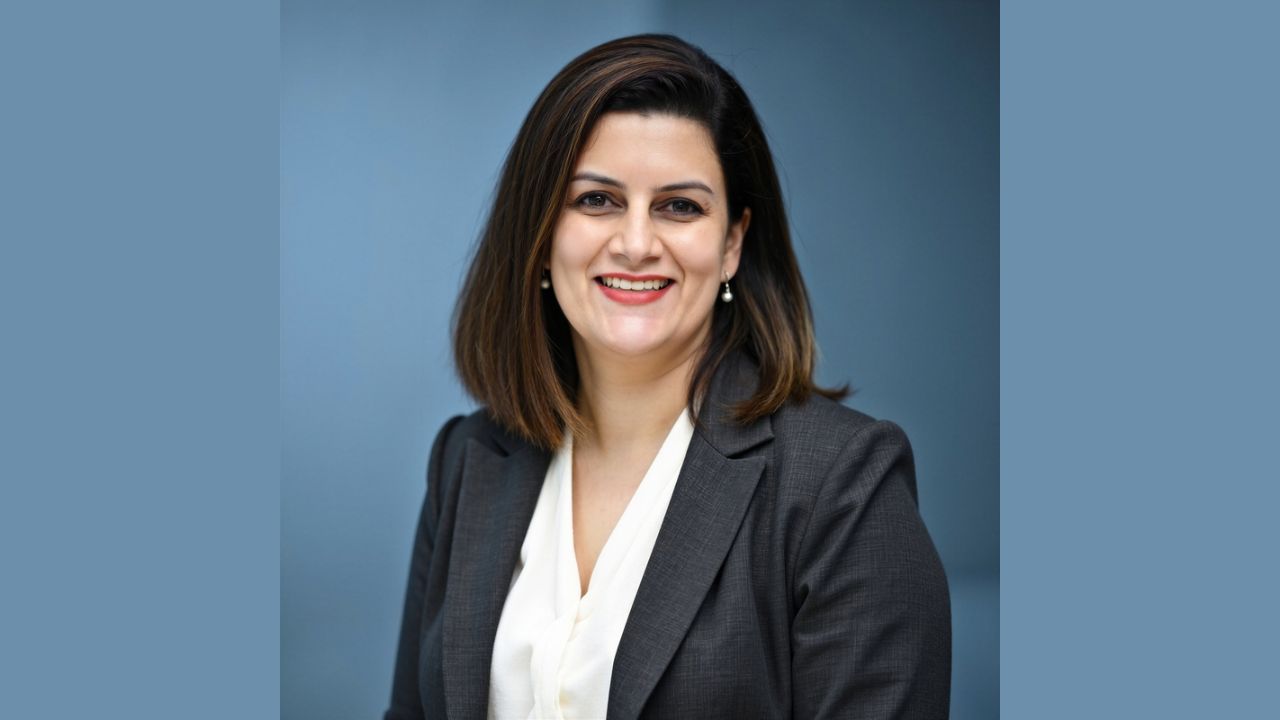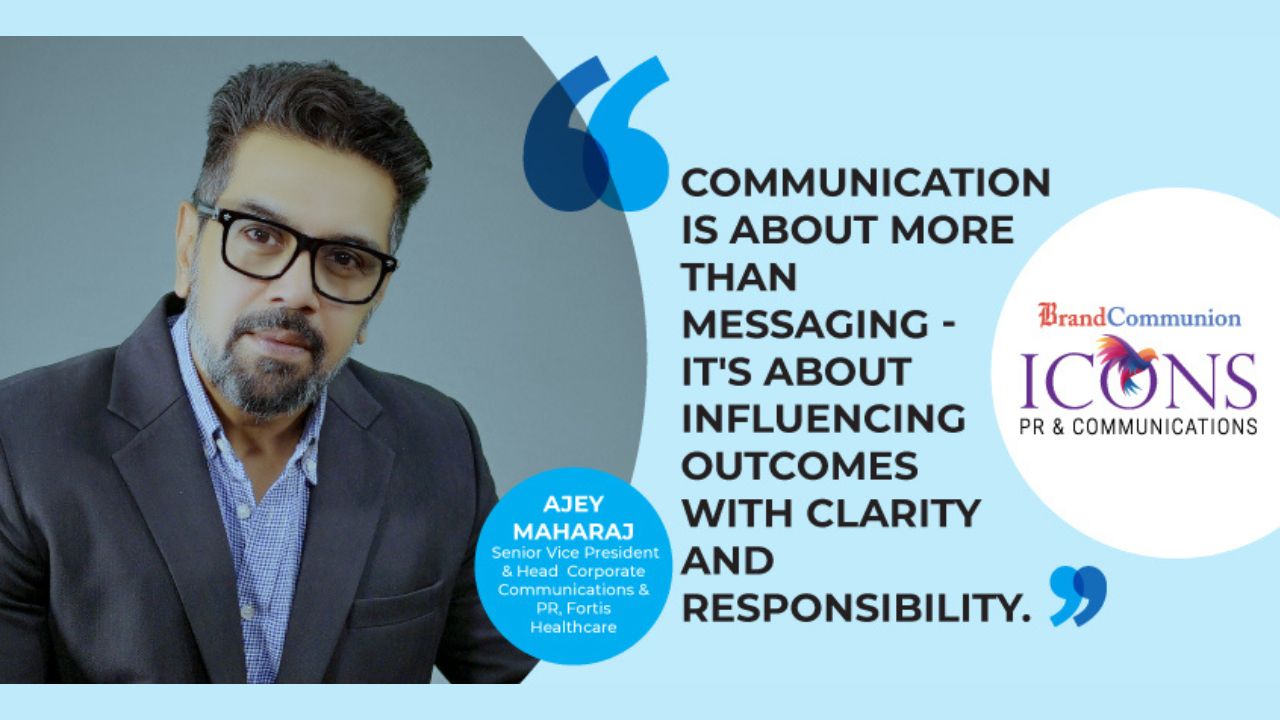


From navigating communications across industries as diverse as steel, power, telecom, and healthcare to leading corporate communications and PR at Fortis Healthcare, Ajey Maharaj has witnessed the transformation of public relations from a support function into a strategic business imperative.
In this conversation Ajey Maharaj, Senior Vice President & Head – Corporate Communications & PR, Fortis Healthcare, reflects on his journey into the profession, the lessons learned from managing high-stakes situations, the evolution of PR in a digital-first era, and why communication today is as much about influencing outcomes as it is about crafting messages.
Edited Excerpts:
Q: How did your journey in PR begin? Was it a conscious career choice or something you attribute to chance? Did your parents understand and support your decision at the time?
My journey into corporate communications evolved over time across sectors like steel, power, telecom, and healthcare, each bringing very different stakeholder dynamics. What initially attracted me was the ability to shape perception and build trust in complex, high-stakes environments, and over time, it became a conscious career choice as I saw the impact communication can have on business outcomes and reputation.
I come from a musical family, my late father was Padma Vi-Bhushan awardee, and my mother was also recipient of numerous national awards in the field of music, so there was always a deep appreciation for expression, discipline, and connecting with audiences. My decision to pursue a career in communications was well appreciated by my parents and were extremely supportive through my journey.
Q: What would you consider your defining moment or breakthrough in the industry?
Rather than a single breakthrough moment, it has been the evolution of communication from a support function to a strategic business enabler in the roles I have held. Leading communications in sectors like healthcare, where credibility and trust are critical, has been particularly defining. It reinforced that communication is not just about messaging, but about influencing outcomes and enabling organisations to navigate both growth and crisis with clarity and responsibility.
Q: Can you tell us about the toughest phase in your career, and what that period taught you?
The toughest phases have been those involving intense public and media scrutiny with limited information, especially in healthcare where situations are highly sensitive. These moments require balancing speed with accuracy, while maintaining empathy and confidentiality. They have taught me the importance of staying calm, being fact-driven, and ensuring alignment with leadership and domain experts before communicating externally. Over time, you realise that credibility built over years is what helps you navigate such situations effectively.
Q: How have you seen PR evolve from when you started to today’s digital-first world? What are some key changes that stand out to you?
PR has evolved from being largely media-centric to becoming an integrated, real-time function that directly influences business strategy. Today, communication is digital-first, transparent, and highly interactive, with stakeholders expecting immediacy and authenticity. The shift towards content-led storytelling, multi-platform engagement, and data-driven insights has been significant. However, one constant remains, credibility and trust continue to be the foundation of effective communication.
Q: What is one piece of advice you would give to someone just entering the PR industry? And if given the chance, would you still choose a career in PR today?
My advice would be to understand the business, not just the message. Communication today is deeply linked to strategy, stakeholder management, and outcomes. Stay curious, be adaptable, and build credibility over time. Also, learn to stay composed under pressure, as communication often plays a critical role in complex situations.
And yes, I would absolutely choose PR again, it is one of the few professions where you can create meaningful impact across industries and stakeholders.
Q: What is one common misconception about PR that you would like to correct?
A common misconception is that PR is only about media visibility or coverage. In reality, it is about shaping perception, managing trust, and influencing outcomes. Much of the most critical work happens behind the scenes, through strategy, stakeholder alignment, and responsible communication.
Q: Where do you see the PR industry heading in the next five years?
The PR industry will become even more integrated with business strategy, with a stronger focus on reputation management, purpose-led communication, and real-time engagement. Digital ecosystems will continue to evolve, and data-driven insights will play a larger role in decision-making. In sectors like healthcare, communication will also play a key role in driving awareness, behaviour change, and trust at scale.
Q: If your PR journey had a headline, what would it be?
“If you think it’s right, just do it”