

When Prime Minister Narendra Modi opened the eighteenth BRICS summit at Bharat Mandapam, he spoke of a grouping that, having completed twenty years, had in his own words reached its “coming of age”. But one of the more revealing lines in his opening remarks was not about trade, currency or reform of the Security Council. It was about how BRICS itself should be understood. The grouping, Modi said, was “not against anyone”, but sought to move forward by taking everyone along. At a summit crowded with economic and geopolitical questions, it was striking that defining what BRICS is, and what it is not, should command such attention.
That is not a trivial preoccupation. The contest at a summit like this is no longer only about economics or geopolitics. It is about who gets to tell the story of what is happening, and in the end about who gets to describe the world taking shape around us. For most of the last century the vocabulary of global power was written in a handful of capitals. The institutions that have ordered the world since 1945, and the media that reported on them, settled which groupings were alliances and which were blocs, which nations were developed and which were merely developing, often sorting them into categories they had no hand in making. Language did not simply describe that order. It helped enforce it.
That emphasis is not incidental. Countries that have long been described by others are growing more insistent on describing themselves. The difference in interpretation is already visible. In one telling, BRICS represents the Global South finding a stronger collective voice, seeking greater influence over institutions built for another age. In another, the summit is read through the contradictions within the grouping: who stayed away, the rivalries among its members, and whether countries with very different strategic interests can turn a broad political idea into lasting cooperation. Both are descriptions of the same gathering, yet they leave quite different impressions of what is happening in Delhi. Neither interpretation is wrong. Neither is neutral. The framing is not decoration on the contest. It is the contest.
We tend to take the measurable forms of power more seriously. You can count a military or value a market. The influence of narrative is harder to quantify, which is perhaps why communication is so often treated as something that follows power rather than something that creates it. Yet the story a country, company or coalition can make credible about itself shapes the room it has to move in. It can decide whether that country is trusted, and who wants to be seen beside it. Perception is no longer only the residue power leaves behind. It has become one of the places where power is applied in the first place. What plays out between nations at a summit is the same contest every organisation now fights in miniature. A company, a founder, a brand: each lives or dies partly on the story others are willing to believe about it, and whoever sets that frame, rather than whoever holds the better facts, usually wins the room. BRICS is that fight at the scale of the global order.
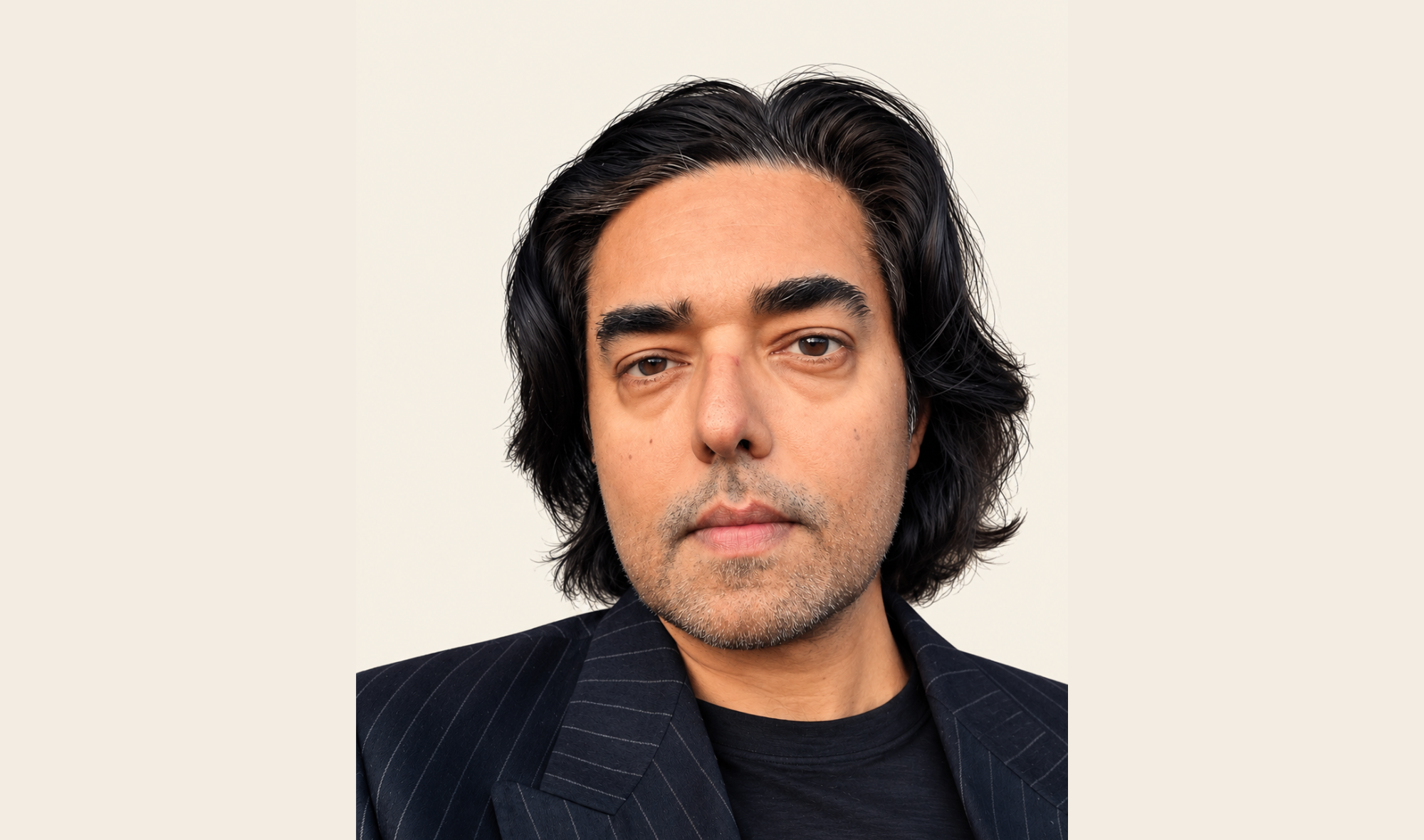
I have spent my working life in communications, on how stories travel and how institutions come to be understood the way they are. I also work between India and Europe, along the very seam this summit is testing. What strikes me is not that different parts of the world disagree. They always have. What is new is that they are no longer willing to borrow someone else's vocabulary to explain the disagreement.
For decades, the argument about the Global South was an argument about representation: another seat at the table, a stronger voice in existing institutions, greater recognition within systems designed elsewhere. The change now is more fundamental. Even the term Global South is itself a replacement, one that quietly retired the older language of a Third World, and that shift in words was never merely cosmetic. The Global South is no longer only asking for a better seat at a table someone else has named. It wants a say in naming the table. That matters, because the power to define an institution, a coalition, even an era, has rarely been separate from the power exercised within it.
But this should not be mistaken for a BRICS victory, and there is a danger in telling it as one. Greater control over how you are described is not the same as building institutions that work. BRICS holds countries with genuine rivalries, competing interests and very different political and economic systems. Its members can agree on a carefully worded declaration, as they did this weekend, and still leave the hardest disagreements between them untouched. That gap, in the end, may be the more demanding test. Changing the description of the world is easier than building the arrangements that would change the world itself.
There is a similar risk for the broader Global South. Rejecting someone else's terminology can feel like progress, but it should not be confused with structural change. Renaming an unequal system does not make it equal, just as challenging an established account of power does not by itself produce a workable alternative. If BRICS wants its view of the world to carry lasting weight, it will be judged in the end not by the vocabulary it changes but by the institutions and arrangements it can actually build.
The motorcades have left Delhi now, and the New Delhi Declaration has been adopted, unanimously, all hundred and forty points of it. Within hours it had already split into two stories. In much of the Indian press it was a turning point, a landmark the country brokered by talking rivals as far apart as Iran and the United Arab Emirates into signing a single text. Elsewhere the same document was read for what it would not say: its refusal to condemn the strikes on Iran, its careful avoidance of naming the United States. One declaration, two headlines, precisely as these things go. The question that interests me is not which phrase survived the communiqué. It is this: six months from now, whose language will we be using to explain what happened here? Global orders are not built by treaties and markets and armies alone. They are built, too, by words that become so widely accepted that eventually we stop asking who chose them.
Power has always included the ability to name things. What we may be watching in Delhi is a slow and uneven shift in who holds that power. Whether that produces a more workable order is the harder question.