

The creator economy has fundamentally changed how brands communicate with consumers. Creators are no longer merely amplifiers of brand messages; they are storytellers, community builders and increasingly influential participants in the media, marketing and commerce ecosystem.
Yet, as the industry expands, an important question remains: are we building a sustainable creator economy, or simply getting better at producing and distributing more content?
Influencer marketing has opened up enormous possibilities for brands, but the opportunity ahead is much bigger. The next phase of growth will depend on how effectively we connect content, creators, brand objectives, communication channels and distribution—and translate these connections into lasting business value.
For media businesses, this also presents an opportunity to rethink the traditional service-led model and build deeper, more integrated relationships with clients.
The challenge is no longer content. It is integration.
Brands today have more ways to reach audiences than ever before. They can collaborate with influencers, commission original content, produce short-form videos, build social media communities, invest in public relations, activate audiences through events and use performance marketing to drive measurable outcomes.
However, these activities are often planned and executed independently.
An influencer campaign may generate reach without creating a lasting content asset. A production assignment may deliver excellent content without a clear distribution strategy. A social media mandate may improve a brand's digital presence without connecting it to public relations, events or performance-driven business objectives.
The problem is not a lack of creativity or capability. It is the absence of a connected approach.
The real opportunity is to move from treating every brief as an isolated transaction to building an integrated communication ecosystem—one in which content, creators, production, PR, events, performance marketing and distribution work towards a common objective.
This does not mean every brand needs every service. It means understanding the business challenge first and bringing together the right capabilities to address it.
From a single mandate to a 360-degree client partnership
One of the most significant opportunities in the media and marketing business lies in how client relationships evolve.
A brand may initially engage a partner for social media marketing, content creation or an influencer campaign. That first mandate, however, can become the starting point for a much broader relationship.
As the partner develops a deeper understanding of the brand, its audiences, its communication priorities and its commercial objectives, opportunities emerge to connect additional services.
Social media content can be supported by studio and video production. Influencer campaigns can be integrated with PR and brand communication. Events can create direct audience engagement, while performance marketing can help translate attention into measurable action. Talent partnerships and creator-led formats can provide further opportunities to build sustained audience connections.
The value lies not in selling more services for the sake of it, but in understanding where these capabilities can complement one another.
This requires a shift from a transactional, campaign-led approach to a relationship-led business model. It calls for a partner who understands the client's broader objectives, executes the immediate brief effectively and identifies opportunities to create greater value over time.
For media businesses, this approach can create deeper client relationships, recurring mandates and more predictable revenue streams. For brands, it can offer greater continuity, better coordination and a partner who understands the larger picture rather than executing disconnected briefs.
Ultimately, a 360-degree solution is not defined by the number of services a company offers. It is defined by how effectively those services are connected around a common business objective.
Beyond reach: From campaigns to relationships
For years, much of the conversation around influencer marketing has centred on reach, engagement and follower counts. These metrics remain relevant, but they do not tell the entire story.
Does the content connect with the right audience? Does the creator genuinely fit the brand? Can the idea extend across formats and platforms? Can a campaign evolve into a sustained relationship rather than end with a single deliverable?
The future belongs to models that combine creative relevance with commercial discipline.
That means understanding the brand's objective before selecting the format, matching creators to the audience rather than simply to a budget, and considering how content can contribute to the broader communication mix.
It also means recognising that not every business challenge requires an influencer campaign. Sometimes the answer lies in original content, a stronger social media narrative, a production solution, a PR initiative, an event or a combination of capabilities.
The starting point should always be the business problem—not the service being sold.
What if the platform disappears tomorrow?
Imagine waking up tomorrow to discover that Meta is no longer accessible in your market. What happens to a creator whose audience, reach, income and brand partnerships depend almost entirely on Instagram or Facebook?
What happens to years of effort spent building followers, engagement and influence?
It is a question worth asking—not because any particular platform is expected to disappear, but because it exposes a fundamental vulnerability in the creator economy: building an audience on a platform is not the same as owning a business.
Platforms provide extraordinary opportunities for discovery and distribution. They help creators reach millions, build communities and monetise their influence. But creators do not control the platforms, their algorithms, their commercial policies or the rules governing access to their audiences.
This makes the distinction between renting attention and owning an asset increasingly important.
A sustainable creator business needs to look beyond followers. It needs to build intellectual property, develop a recognisable brand, explore products that audiences genuinely want, and establish ways to maintain relationships with customers beyond a single platform.
A creator with an original content property, a trusted consumer brand, a product business or a direct customer relationship has more ways to adapt when the distribution landscape changes. None of these guarantees success, but together they can reduce dependence on any one platform.
The question for creators should not simply be, “How do I grow my followers?”
It should also be, “If my largest platform disappeared tomorrow, what would I still own?”
Because followers can create influence, but ownership can create enduring business value.
The next frontier: Helping creators build businesses of their own
Perhaps one of the most exciting opportunities in the creator economy lies beyond brand collaborations: enabling creators to build intellectual properties, products and businesses of their own.
Creators who have spent years building an audience possess an important foundation—an established community, a recognisable voice and, in many cases, a relationship of trust with their followers. The opportunity is to translate that relationship into something more enduring than sponsored content.
A creator could move from promoting beauty products to developing a beauty brand. A food creator could build a product line around a clearly understood audience need. A digital personality could develop an original show or content property that attracts audiences, brand partnerships and multiple revenue streams.
In each case, the creator moves from influencing consumption to potentially owning a part of the value chain.
This is a significant shift. Instead of monetising only individual posts, creators can explore assets they own and develop over time—intellectual property, original formats, products and consumer brands.
Of course, an audience does not automatically guarantee a successful business. Product-market fit, quality, pricing, distribution, fulfilment and financial discipline remain essential. But an existing audience can provide a meaningful starting advantage: a community with which to test ideas, understand needs and build a relationship before taking a product to market.
Realising this opportunity will require more than creative talent. Creators may need partners who can help with business strategy, product development, branding, production, PR, distribution and commercial execution. They will also need to diversify how they reach customers rather than relying entirely on a single social platform.
This opens up a larger role for the media ecosystem: moving beyond connecting creators with advertisers to helping creators become entrepreneurs in their own right.
What building businesses has taught me
Having spent 25 years across media, telecom, retail and FMCG, I have seen businesses evolve by adapting to changing consumer behaviour, new technologies and new ways of reaching markets. My experience spans commercial leadership, P&L management, business development, building new business verticals and scaling operations.
At Hindustan Times' radio business, I contributed to a growth journey that delivered 60% revenue growth. These experiences have reinforced a fundamental belief: a promising market opportunity becomes a sustainable business only when creativity is supported by strong commercial fundamentals, the right partnerships and disciplined execution.
These principles are equally relevant to the creator economy.
The industry has no shortage of talent, platforms or creative ideas. What it needs to develop further are business models that connect these strengths more effectively—creating value for brands, meaningful opportunities for creators and repeatable revenue streams for the businesses that bring them together.
Integration, in this context, is not about offering everything to everyone. It is about understanding which capabilities to bring together, when to deploy them and how to make them work commercially.
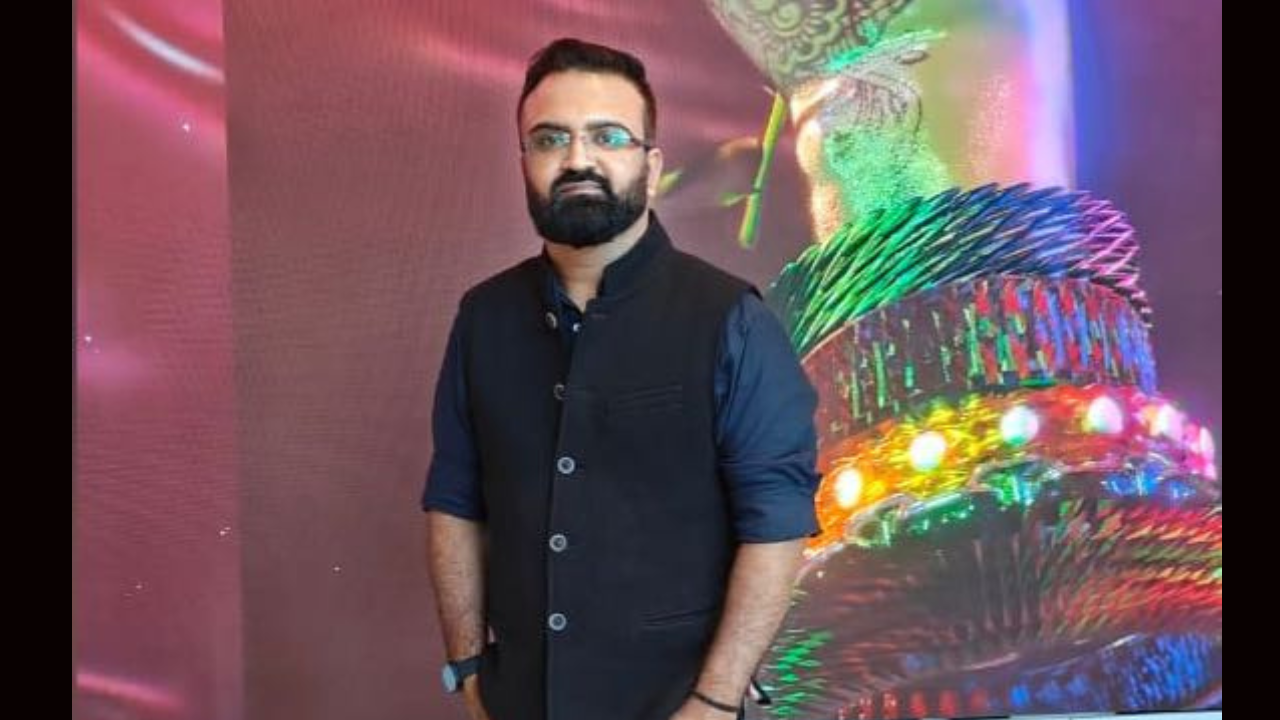
As Co-Founder & CEO of VYNK Media Works, I am exploring these ideas through my own entrepreneurial journey: building a business around the intersection of brands, creators, content and distribution, with a focus on connecting capabilities to solve broader client needs.
The road ahead: Recurring value, original IPs and smarter execution
Three developments will be particularly important in shaping the next phase of the creator economy and the businesses that serve it.
First, deeper and recurring client relationships. The industry needs to move beyond an overdependence on one-off campaigns. Integrated mandates and ongoing partnerships can help brands maintain consistency while allowing media businesses to develop a better understanding of client needs and build more sustainable revenue streams.
Second, creator-owned intellectual property and products. Original digital properties, branded formats and creator-led product businesses can create assets and revenue opportunities that extend beyond individual collaborations. The challenge will be to combine audience understanding with sound product and business execution.
Third, technology-enabled workflows and diversified distribution. As the number of creators, platforms and content formats expands, better systems will be needed to support discovery, selection, planning, workflow management and performance assessment. At the same time, creators and brands must think beyond dependence on any single distribution platform. Owned websites, direct customer relationships and other relevant channels can help build resilience. Technology should not replace human judgement or creativity; it should make the process more informed, efficient and scalable.
None of these developments will eliminate the need for strong relationships or creative instinct. Instead, they can give both greater impact.
The businesses that succeed will be those that combine technology with human understanding, creativity with commercial rigour, and scale with relevance.
Building what comes next
The creator economy has already demonstrated the power of individuals to influence conversations and build communities. Its next chapter will depend on how effectively the wider industry enables that power to translate into lasting value.
For brands, that means moving beyond isolated campaigns towards more connected communication strategies. For creators, it means looking beyond reach and exploring the possibility of building intellectual property, products and businesses of their own. For media and marketing businesses, it means moving beyond individual service lines to build integrated, long-term client partnerships.
The opportunity is not simply to participate in a fast-growing market. It is to help create a more structured and sustainable ecosystem—one where relationships translate into enduring partnerships, content becomes an asset, and influence can evolve into enterprise.
The future is not just about creating more content. It is about connecting creativity to purpose, influence to ownership, and individual services to lasting business outcomes.
(Disclaimer: The views expressed in this article are those of the author and do not necessarily reflect the views of the publication.)