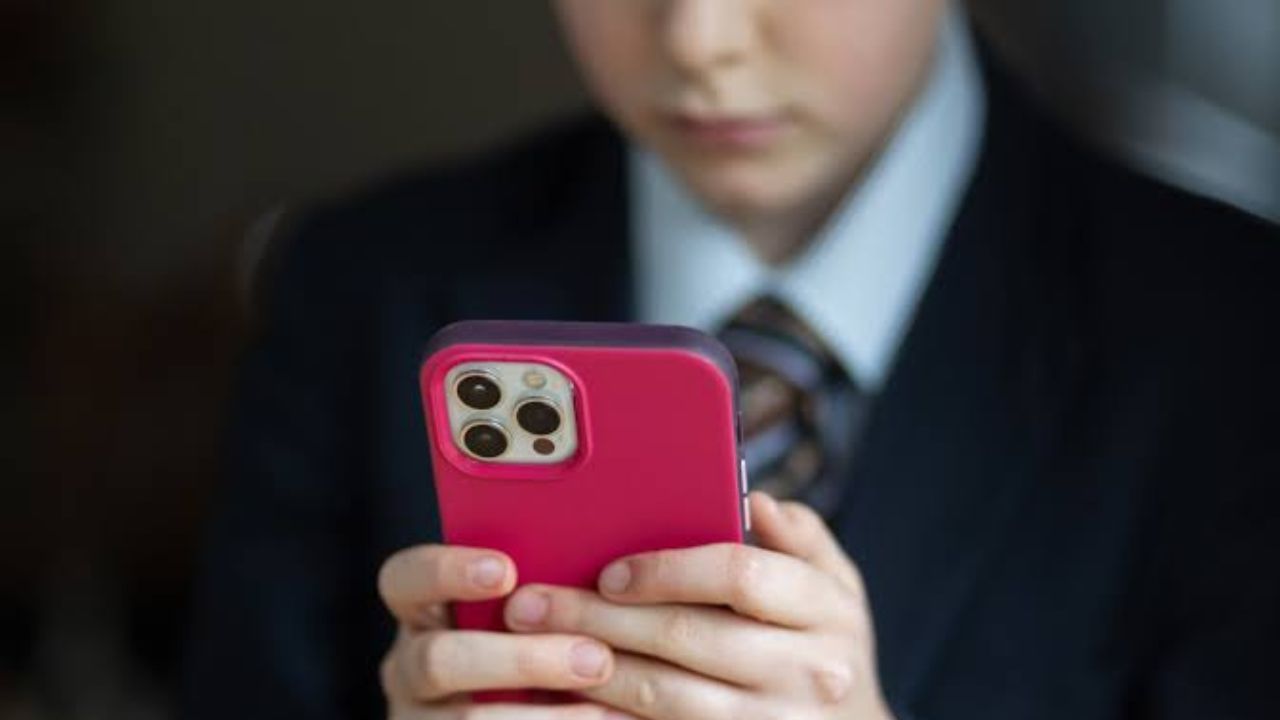


The UK government is preparing to introduce a ban on social media access for children under the age of 16, marking one of its most significant online safety interventions and aligning it with a growing global trend led by countries such as Australia, Canada, Indonesia and Malaysia.
Prime Minister Sir Keir Starmer is expected to unveil the proposal on Monday, with restrictions likely to apply to major platforms including TikTok, Snapchat, Instagram, YouTube, Reddit, Twitch, X, Threads, Facebook and Kick.
According to reports, the plan would also prevent children from livestreaming on certain platforms and restrict interactions with strangers through gaming applications. Officials have described the framework as an "Australia-plus" model, referencing Australia's landmark social media ban for under-16s introduced in late 2025.
The UK is also considering additional safeguards that go beyond Australia's approach, including possible social media curfews for older teenagers and tighter controls on AI-powered chatbots. Final decisions on these measures are expected in the coming weeks.
Framing the move as a child safety initiative, Starmer said the debate over online protection for young people is one of the defining challenges of the digital age and argued that existing safeguards have failed to adequately protect families.
The proposal follows a three-month public consultation that received more than 116,000 responses. Government figures indicate that 90% of participating parents supported a social media ban for under-16s, while more than 83% believed the risks associated with social media outweighed its benefits for children.
However, the plan has drawn criticism from child safety advocates and campaign groups. Ian Russell, whose daughter Molly Russell died after being exposed to harmful online content, argued that a blanket ban could create a false sense of security and may drive children toward less regulated online spaces.
Organisations including the NSPCC, the Internet Watch Foundation and Childnet have similarly maintained that the priority should be compelling technology companies to make their platforms safer rather than restricting access altogether.
Responding to concerns, Culture Secretary Lisa Nandy said technology companies had been given sufficient time to improve child safety standards. While acknowledging that some young people in Australia have circumvented similar restrictions, she argued that the policy had nevertheless contributed to a broader cultural shift around children's use of social media.