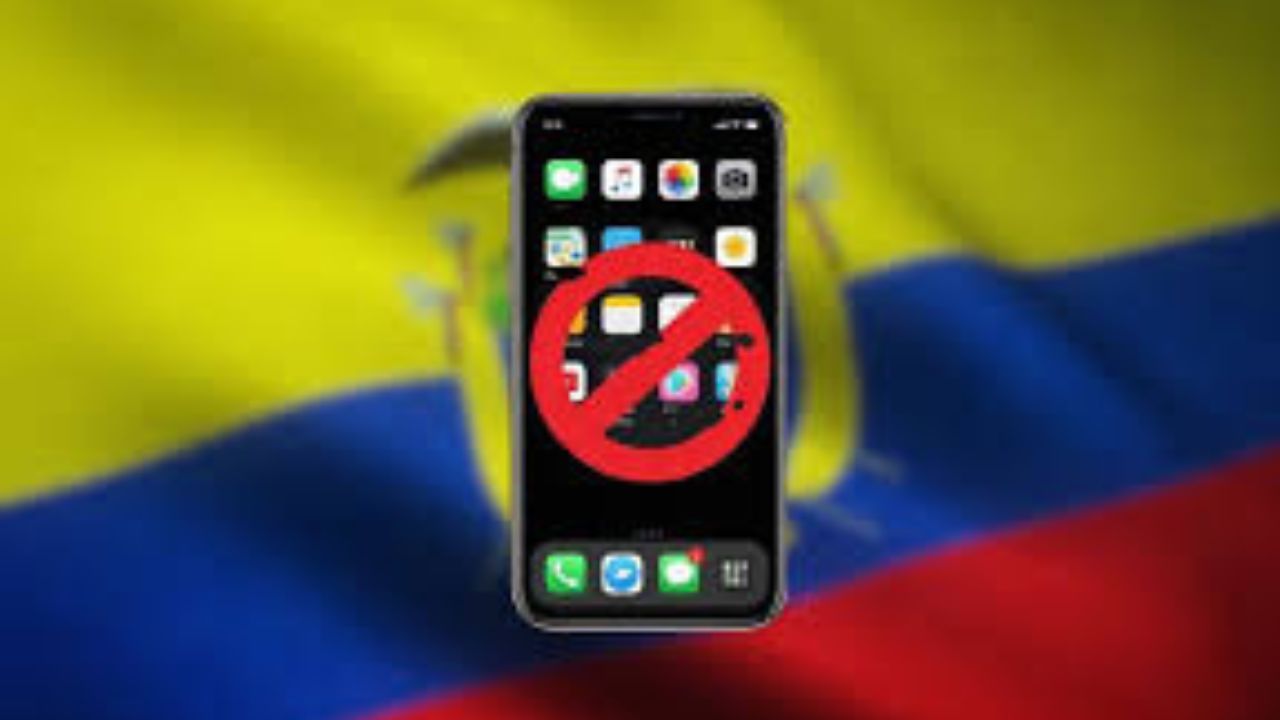


Indonesia has rolled out a sweeping ban on social media use for children under the age of 16, becoming the first country in Southeast Asia to implement such a restriction. Framed as a “digital curfew,” the move marks a decisive shift in how governments are approaching the impact of online platforms on younger users.
The regulation requires social media companies to deactivate accounts belonging to minors on platforms deemed high-risk, including TikTok, Instagram, YouTube, Facebook, X, Threads, Bigo Live, and Roblox. The directive affects an estimated 70 million children—nearly a quarter of Indonesia’s population—making it one of the most expansive policies of its kind globally.
Authorities have positioned the ban as a response to what they describe as a growing “digital emergency.” Communications Minister Meutya Hafid cited rising concerns around cyberbullying, online pornography, internet addiction, and digital fraud, emphasising that parents should not be left to tackle these challenges alone against powerful tech platforms.
Compliance is already underway in parts, with some platforms beginning to deactivate accounts. Others, however, face the prospect of steep financial penalties or even a nationwide shutdown if they fail to act.
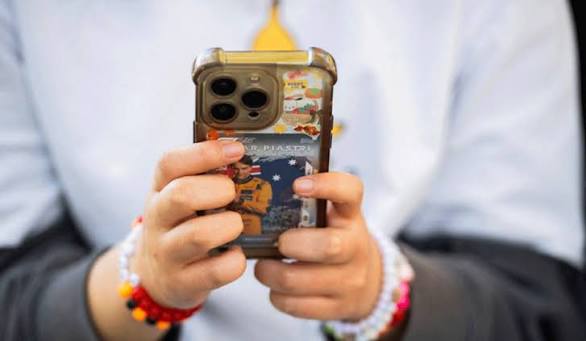
Indonesia’s move follows a broader global trend of tightening regulations around children’s online safety. Recent developments—including legal action in the United States over platform-induced addiction and Australia’s restrictions on youth social media use—have added momentum to such measures.
While child safety advocates have welcomed the policy as a necessary step toward protecting mental health, critics argue that enforcement could prove difficult, particularly with the ease of bypassing restrictions through VPNs. Despite these concerns, Indonesia is betting on a phased rollout to encourage a cultural shift away from excessive screen time and toward more offline engagement.