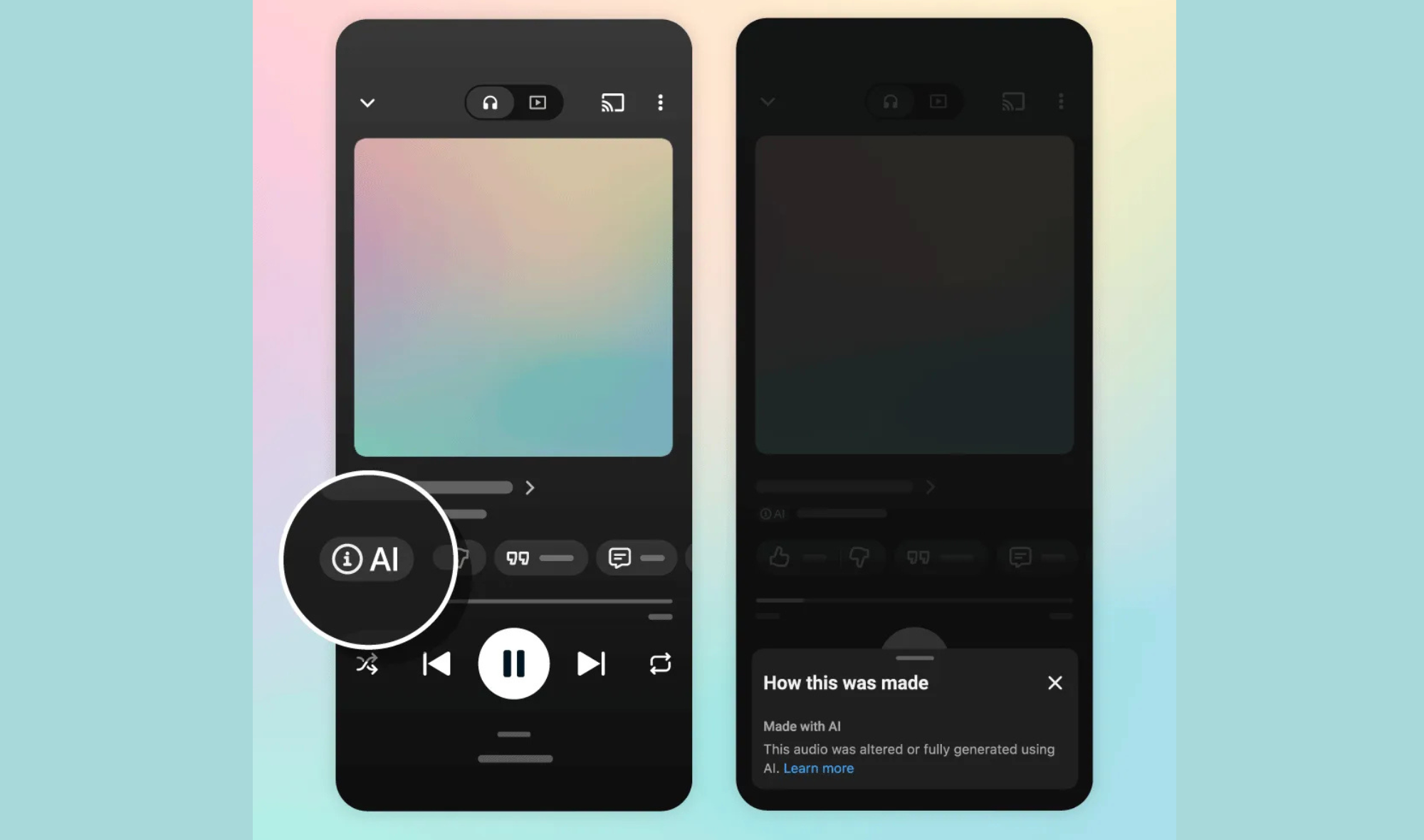


The government has notified amendments to the Information Technology (Intermediary Guidelines and Digital Media Ethics Code) Rules, 2021, tightening regulatory oversight of AI-generated and synthetic content across digital platforms.
Under the revised rules, significant social media intermediaries will be required to obtain a user declaration stating whether content uploaded on their platforms is synthetically generated.
Platforms must also deploy reasonable and appropriate technical measures, including automated tools, to verify the accuracy of such disclosures. Where verification confirms the content is AI-generated, platforms must ensure that it is prominently labelled.
The amendments formally define “synthetically generated information” as audio, visual, or audio-visual content that is artificially or algorithmically created or altered to appear real or authentic and is likely to be perceived as indistinguishable from actual people or real-world events.
However, routine editing that does not misrepresent original content, good-faith design work, and accessibility enhancements such as translation or improved searchability are excluded from this classification.
Intermediaries enabling the creation or sharing of synthetic content must also embed permanent metadata or other provenance markers, including unique identifiers, to help trace the origin of such content, wherever technically feasible. The rules further prohibit platforms from allowing the removal or alteration of such labels or metadata once applied.
The government has also mandated platforms to deploy technical safeguards to prevent users from creating or sharing synthetic content that violates existing laws. The notification specifically flags illegal categories including child sexual abuse material, non-consensual intimate imagery, false documents or electronic records, content related to arms or explosives procurement, and deceptive impersonation of individuals or events.
In a major compliance shift, the amendments require platforms such as Facebook, Instagram, and X to remove or disable access to AI-generated or synthetic content flagged by courts or competent authorities within three hours, significantly reducing the earlier 36-hour deadline.
The rules also shorten grievance redressal timelines, requiring platforms to acknowledge complaints within two hours and resolve them within seven days.
The notification further specifies that any takedown intimation issued by the police must be authorised by an officer not below the rank of Deputy Inspector General and specifically authorised by the appropriate government.
Additionally, the amendments clarify that synthetically generated content will now be treated on par with “information” under unlawful content provisions, bringing AI-generated material under the same compliance and enforcement framework. Platforms are also required to periodically inform users, at least once every three months, about compliance requirements and potential consequences for violations, in English or any language listed in the Eighth Schedule of the Constitution.
The amendments also update legal references by replacing provisions of the Indian Penal Code with the Bharatiya Nyaya Sanhita, 2023.