

The rebranding of Godrej Industries Group has triggered a copyright debate within the design community after its newly unveiled logo drew comparisons to that of Guerrilla, a boutique agency based in Queensland.
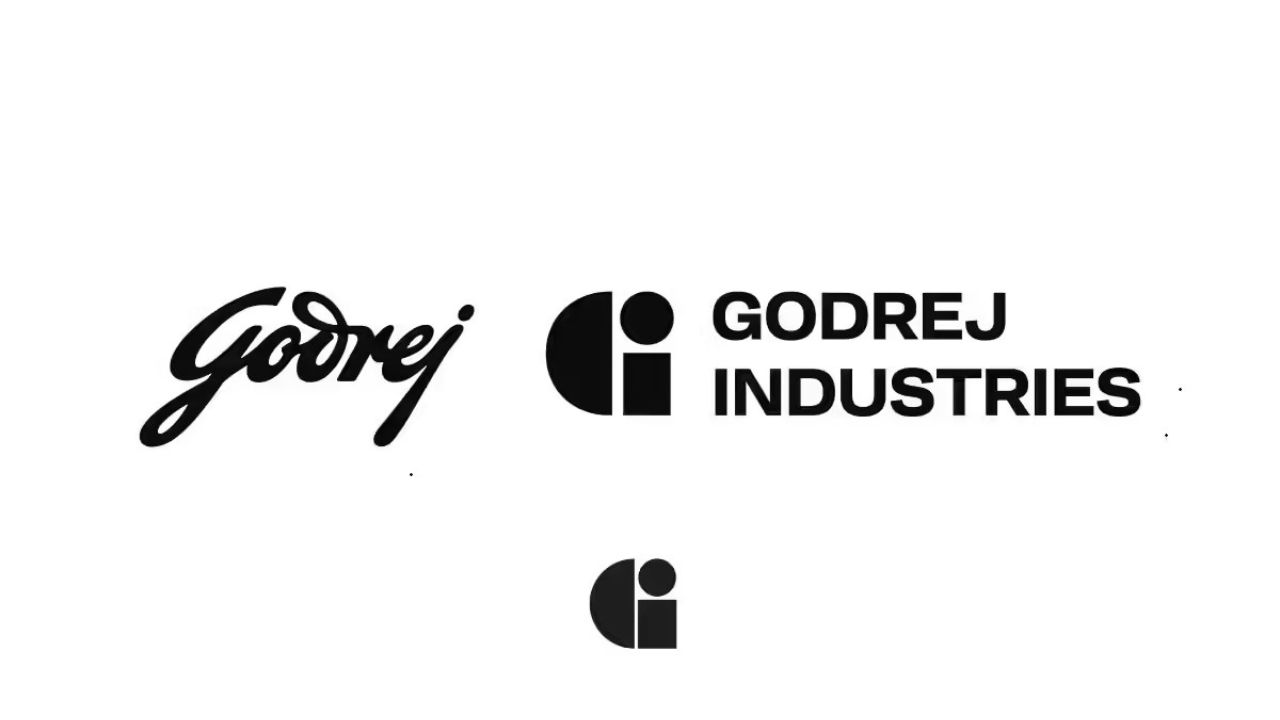
On April 22, the 127-year-old Mumbai-headquartered conglomerate introduced a minimalist, geometric “G” mark as part of a broader identity refresh following the formal split of the family-controlled business. The new visual identity represents the group’s “Industries” arm, which oversees sectors such as chemicals, consumer goods and real estate.
However, soon after its release, observers pointed out that the logo closely resembles Guerrilla’s existing branding, raising concerns about the due diligence process behind the redesign. The similarity has intensified scrutiny on Disco, Godrej’s in-house design studio, which led the rebranding exercise.
Responding to the controversy, Godrej stated that the “GI identifier” was intentionally designed to be elemental and minimal. “We wanted something reduced to its simplest geometric form, allowing it to sit cleanly alongside the Godrej signature logo without competing with it,” the company said in a statement.
The company further acknowledged that during its intellectual property checks, it encountered several similar marks globally. According to Godrej, geometric combinations—such as circles, rectangles and semi-circles—are widely used across industries, making overlaps structurally common in modern branding.
“Resemblance in the category of geometric logos is not just common, it is structural,” the statement noted, adding that while such simplicity may reduce uniqueness, it aligns with the group’s broader identity system, which includes a custom typeface and sonic branding elements.
Despite the clarification, the episode highlights the growing challenges companies face in establishing distinctive brand identities in an era dominated by minimalist design trends. For a conglomerate of Godrej’s scale, the controversy could carry implications ranging from reputational scrutiny to potential legal risks in markets where both entities operate.
The situation also raises broader questions about originality, trademark boundaries and the limitations of design differentiation in an increasingly globalised branding landscape.