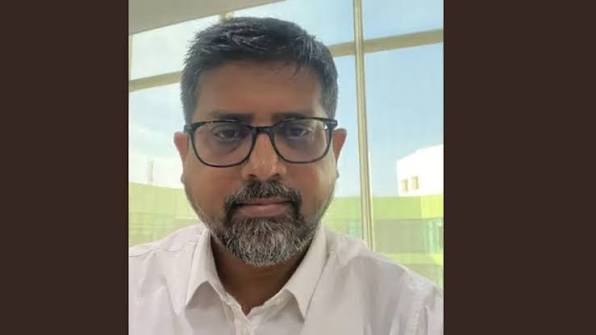
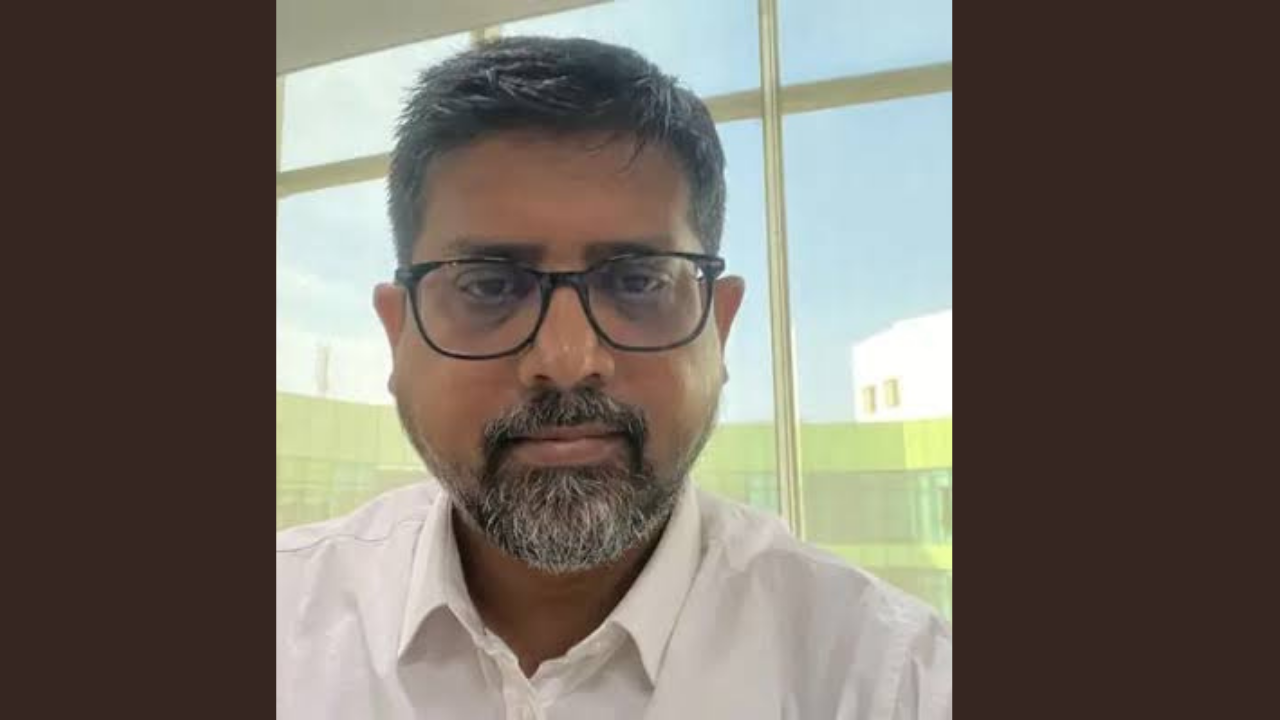
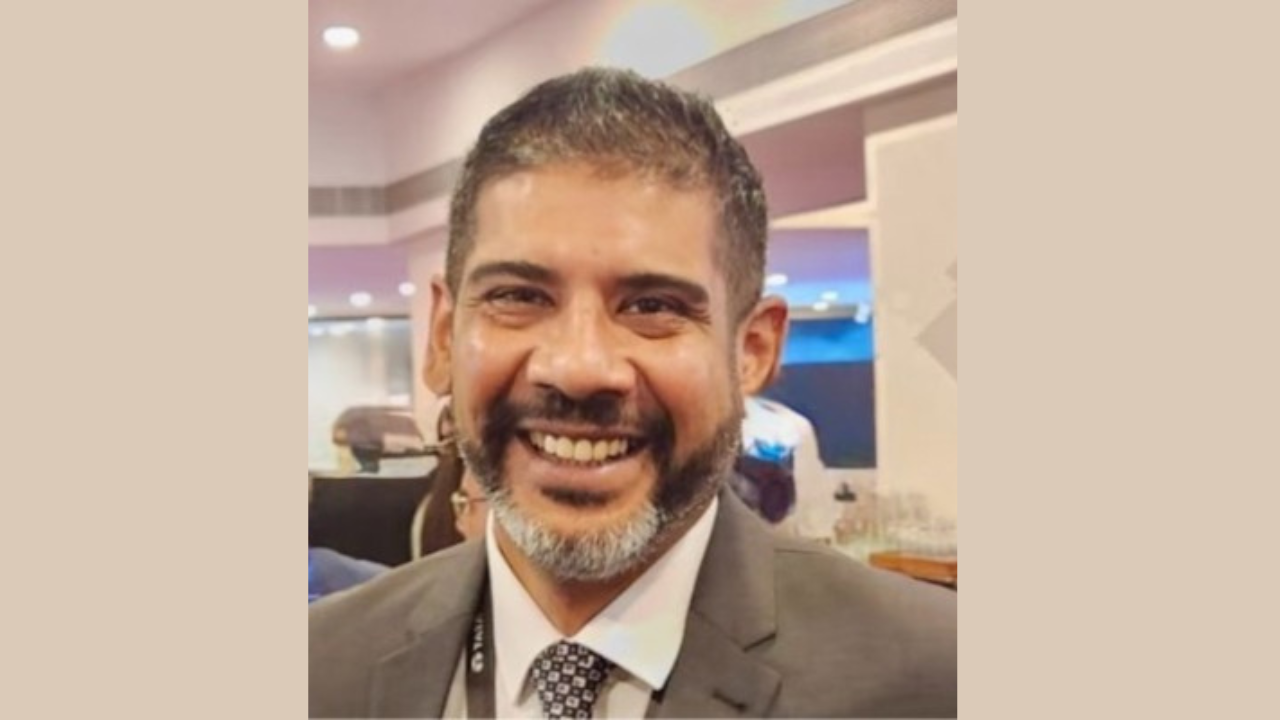
For Udit P Pathak, Director of Media Mantra Group, the journey from journalism to building an independent public relations business has been shaped less by conventional “battles” and more by the ability to turn disruptions into opportunities.
Speaking as part of the Brand Communion Leadership Series, Pathak discussed Media Mantra’s evolution, its global expansion into the Middle East and Australia, the growing role of data and AI in PR, and the importance of understanding local market nuances before entering a new geography.
The conversation was conducted by Karan Bhatia, Founder, Brand Communion, and Madhavi Khanna, Vice President, Brand Communion.
From journalism to PR
Pathak began his career in journalism, initially aspiring to become a sports journalist. His transition into public relations came while he was working at Aaj Tak, where he observed the role PR professionals played in bringing guests onto television programmes and managing their public positioning.
“That was when I realised what PR was,” Pathak said, explaining that the profession also aligned with his long-term ambition of eventually building something of his own.
After gaining experience at a PR firm, Pathak went on to establish Media Mantra with Pooja, beginning with a two-member team and gradually expanding the business.
Coming from a family of entrepreneurs, Pathak said that entrepreneurship had always been familiar territory. However, he chose not to join the family business because it already involved several members of the family, including his grandfather, father and uncles.
He also wanted to build something independently.
Turning disruption into opportunity
Pathak identified the COVID-19 pandemic as one of the biggest unexpected challenges during his entrepreneurial journey. Like businesses across sectors, Media Mantra was affected by the disruption, but the company chose to remain in business and adapt.
According to Pathak, the post-COVID period also created an opportunity for PR firms to move beyond traditional execution and position themselves as strategic consultants.
“Budgets would have shrunk, but there is an opportunity to work as consultants rather than just rolling out information,” he said.
He believes this shift contributed to the subsequent growth of several PR firms as clients increasingly looked for strategic counsel alongside execution.
Another major challenge came with Media Mantra’s decision to establish operations in Dubai. Pathak said entering an international market with the company’s own capital required a fundamentally different approach from simply obtaining a trade licence.
Building a global Indian PR firm
Media Mantra has expanded beyond India, with operations in the UAE and a recently established presence in Australia. Pathak said the company's broader ambition is to become an Indian independent PR firm with a genuine global footprint.
“We want to be India's first public relations company to open offices across the globe,” he said, while distinguishing this ambition from merely obtaining licences or maintaining virtual operations overseas.
For Pathak, a global office needs to have a physical presence, local employees and the ability to generate business in that market.
The expansion is also being undertaken without external investors or institutional funding. Pathak described Media Mantra as a self-funded and bootstrapped business, adding that this makes every investment significantly more consequential.
“This is my India money. The disparity of the currency is also there. Every penny matters,” he said.
As a result, Pathak said he prefers to personally understand a market before committing significant resources to it.
Last month, Adfactors PR also acquired a majority stake in the Australian independent communications consultancy SenateSHJ.
‘You have to understand the market yourself’
Pathak spent considerable time in Dubai to understand the market before scaling the company's operations there. He said the objective was to understand the region's business environment, people and PR ecosystem rather than simply establish an address.
The same approach is being applied to Australia.
According to Pathak, understanding local nuances is critical because PR markets can differ considerably in terms of media ecosystems, influencer marketing, events, advertising and client expectations.
He also pointed to differences in workplace culture and professional discipline between India and the international markets in which Media Mantra operates.
One of his key learnings has been the importance placed on time, flexibility and employee boundaries. Pathak said he has attempted to incorporate some of these practices into Media Mantra, including avoiding unnecessary calls to employees on weekends.
India remains ahead on creativity and AI
Despite expanding internationally, Pathak believes India has considerable strengths when it comes to PR and communications.
He pointed to the creative campaigns emerging from Indian agencies and their growing recognition at international award platforms as evidence of the country's capabilities.
Pathak also believes India has moved quickly in adopting artificial intelligence.
“India is far, far ahead than what we think,” he said, highlighting the pace at which Indian companies and agencies are experimenting with AI-led content and campaigns.
He sees AI not as a replacement for PR professionals but as a tool that can make teams more efficient.
AI will change the size and structure of PR teams
Pathak said AI is already influencing the way Media Mantra structures its teams and executes campaigns.
He gave the example of campaigns that previously required a 15-member team potentially being executed by 10 people with the assistance of AI and automation.
However, he argued that the resulting savings should not simply become additional agency profits. Instead, agencies should reinvest those resources into technology, implementation and expansion.
“We have realised that small tasks don't require a person to manage them,” he said, citing activities such as calendar management, clipping work and other repetitive tasks.
Pathak believes PR professionals need to become more strategic as AI takes over repetitive execution-oriented work.
Data becoming central to PR strategy
Having worked on both sides of the media ecosystem, Pathak also highlighted the growing importance of data in communications.
According to him, agencies need to understand a brand's business objectives before developing a campaign.
The process at Media Mantra involves analysing available data, identifying narratives around a brand, developing campaign ideas based on those insights and subsequently executing approved campaigns.
Pathak said the same emphasis on data is increasingly visible in the government sector, where communications and public affairs initiatives are also being evaluated through measurable outcomes and data-backed narratives.
No single global PR market can be a universal role model
Asked whether India could adopt best practices from international markets, Pathak said there is no single country that can serve as the definitive model.
Instead, he believes agencies should learn from different markets while adapting those practices to their own environments.
Among the most valuable lessons he has taken from international markets are discipline, respect for time and employee flexibility.
At the same time, he believes India's PR ecosystem has already made significant progress in areas such as AI, creative campaigns and global recognition.
Competition in international markets
Pathak acknowledged that establishing a presence overseas comes with significant competitive pressures.
In markets such as the UAE, he said agencies have to demonstrate their value even for relatively modest retainers because clients have multiple options.
He also highlighted the importance of navigating regional circumstances while maintaining business continuity.
According to Pathak, the UAE's ability to maintain business activity and investor confidence despite geopolitical uncertainties demonstrates the resilience of the market.
The road ahead
While Pathak did not disclose Media Mantra's next international destination, he confirmed that further markets are already part of the company's pipeline.
For now, however, the focus is on strengthening its relatively new operations in the UAE and Australia and taking them to the scale the company has set for itself.
The larger objective, he said, remains clear: to build an Indian, independent and bootstrapped PR company that can compete and operate globally.
For young entrepreneurs and professionals looking to build their own businesses, Pathak's advice is straightforward: focus on one's own journey rather than constantly comparing it with established players.
“Keep hustling,” he said.
He cautioned entrepreneurs against measuring their progress against companies that may have taken five or ten years to reach their current scale.
“You have your own journey,” Pathak said, adding that entrepreneurs need to believe in their vision, remain clear about what they want to achieve and keep moving forward.
For Pathak, the same philosophy that helped Media Mantra navigate COVID-19, enter international markets and adapt to AI continues to define the company's next phase of growth.