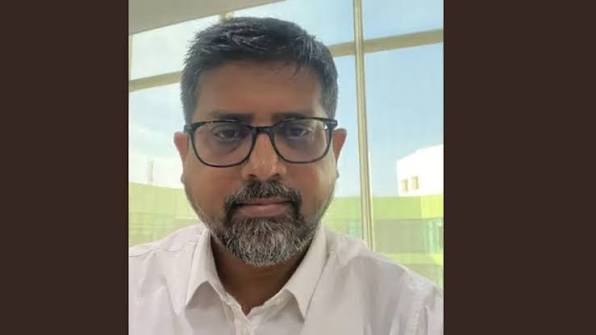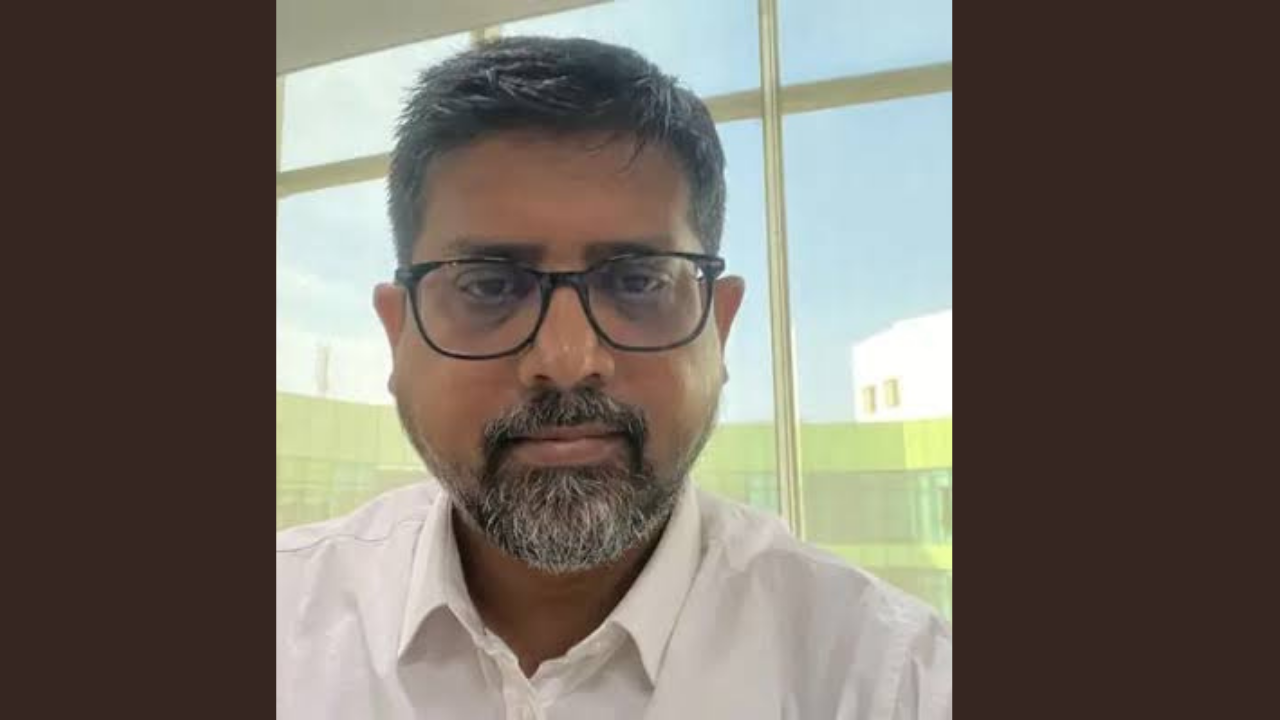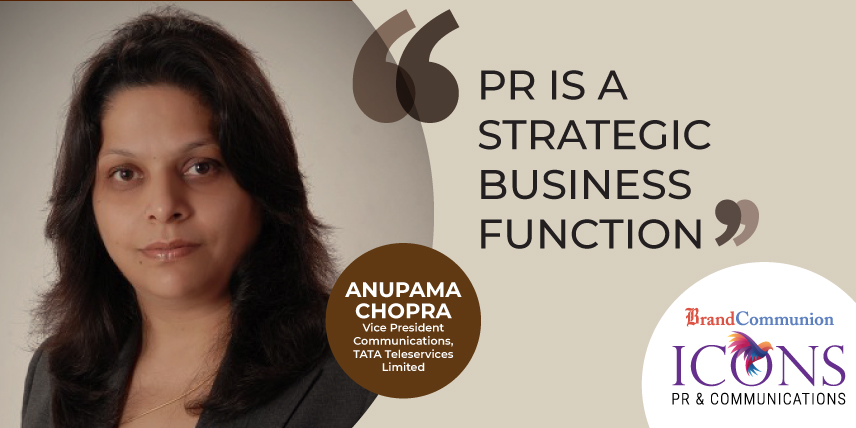


For Anupama Chopra, Head – Corporate Communications at Tata Teleservices Limited, a career in public relations has been defined less by a single breakthrough and more by the ability to continuously evolve with business, media and society. With more than three decades of experience across public relations, corporate reputation, and issues and crisis management, Chopra has witnessed some of the most significant transformations in India’s corporate communications landscape.
A Gold Medallist with a Post Graduate Diploma in Public Relations, Advertising & Marketing from Sardar Patel College of Communication & Management, Chopra began her career in the aviation sector before moving into agencies such as Mudra and Rediffusion Y&R. As India’s economy liberalised and industries such as telecom, hospitality and automobiles underwent rapid transformation, she found herself increasingly drawn towards understanding businesses beyond their communication needs. That shift—from executing communication to becoming a strategic counsel to C-suite leaders—became a defining part of her professional journey.
Over the years, Chopra has seen PR move from an industry where press releases were physically delivered to newsrooms to an always-on environment where conversations unfold in real time across digital platforms. Yet, despite the technological changes, she believes the fundamentals remain unchanged: a compelling story, an authentic reputation and the ability to build trust with stakeholders.
In this conversation, Brand ICON series Chopra reflects on her three-decade journey, the changing role of corporate communications, the misconception that PR is merely about media relations, and why she would choose the profession all over again. Her headline for that journey captures her philosophy succinctly: “Engineering Trust in a Scrolling Age.”
Edited Excerpts:
Q: How did your journey in PR begin? Was it a conscious career choice or something you attribute to chance? Did your parents understand and support your decision at the time?
I hold a Post Graduate Diploma in Public Relations, Advertising & Marketing from Sardar Patel College of Communication & Management and have a distinguished academic record, of being a Gold Medallist. Over the years, I have built a career spanning more than three decades in Public Relations, corporate reputation, and issues & crisis management.
I began my career in the aviation industry, and as the Indian economy started opening, I could see a clear need for structured, strategic communication to navigate the shifts businesses were experiencing. That’s what drew me towards PR, and joining Mudra and later Rediffusion Y&R felt like a natural progression at the time.
While PR was a relatively new and a niche field in India back then, my parents were incredibly supportive. They may not have understood the technicalities of "reputation management" at once, but they understood the value of communication and encouraged me to pursue a path where I could contribute to building brands.
Q: What would you consider your defining moment or breakthrough in the industry?
My breakthrough was not a single event, but rather a series of holistic learning phases. I had the privilege of witnessing the impact of a liberalised economy on some of the most important industries in India. Whether it was the telecom boom, the rise of the hospitality sector, or the evolution of the automobile industry, my defining moment was realizing that I could deliver more value by understanding the business fundamentals of these diverse sectors. Transitioning from a purely tactical role to becoming a counsel for C-Suite executives was a significant milestone that allowed me to align communication strategies with core business growth.
Q: Can you tell us about the toughest phase in your career, and what that period taught you?
The most challenging phases often come during times of industry stagnation or personal transition. However, looking back, the "toughness" usually stemmed from the need to constantly unlearn and relearn. It taught me that adaptability is the greatest asset a professional can have. In a field like ours, if you do not evolve with the industry, you become stagnant. Those periods taught me the importance of resilience and the fact that a leader is only as good as their ability to stay open to new ideas without letting ego get in the way.
Q: How have you seen PR evolve from when you started to today’s digital-first world? What are some key changes that stand out to you?
The evolution has been monumental. We started in an era where we physically delivered press releases to newsrooms; today, we operate in a "one-click" digital-first world. The most significant change is the shift from one-way broadcasting to a constant, two-way dialogue. Transparency and speed have become paramount. While the tools have changed from print to social media and AI, the core remains the same, and that is the power of a well-told story and the importance of maintaining an authentic reputation that can withstand any crisis.
Q: What is one piece of advice you would give to someone just entering the PR industry? And if given the chance, would you still choose a career in PR today?
My advice is simple: Never stop being a student. Treat your curiosity and your ability to learn as your superpowers. Understand the business you are representing as deeply as the media landscape. And yes, without a doubt, I would choose this career again. PR allows you to be at the intersection of business strategy and human psychology, and there is nothing more rewarding than seeing a brand's reputation built and protected through your efforts.
Q: What is one common misconception about PR that you would like to correct?
A common misconception is that PR is just "lip service" or purely about media relations. In reality, PR is a strategic business function. It is a recession-proof tool for growth. A well-managed reputation is not just about getting into the news; it’s about building trust with every stakeholder, from employees to investors. When done right, it is a primary driver of long-term value for any organization.
Q: Where do you see the PR industry heading in the next five years?
The next five years will be defined by the integration of Artificial Intelligence and hyper-personalization. We will see PR becoming even more data-driven, allowing us to deliver the right message to the right audience at the perfect moment. However, as technology advances, the "human touch" (empathy, ethics, and mature leadership) will become our most valued differentiator. We will move toward more immersive storytelling, where the lines between digital and physical experiences continue to blur.
Q: If your PR journey had a headline, what would it be?
“Engineering Trust in a Scrolling Age”